


Title: The Best Source of News: A Comprehensive Analysis
Introduction:
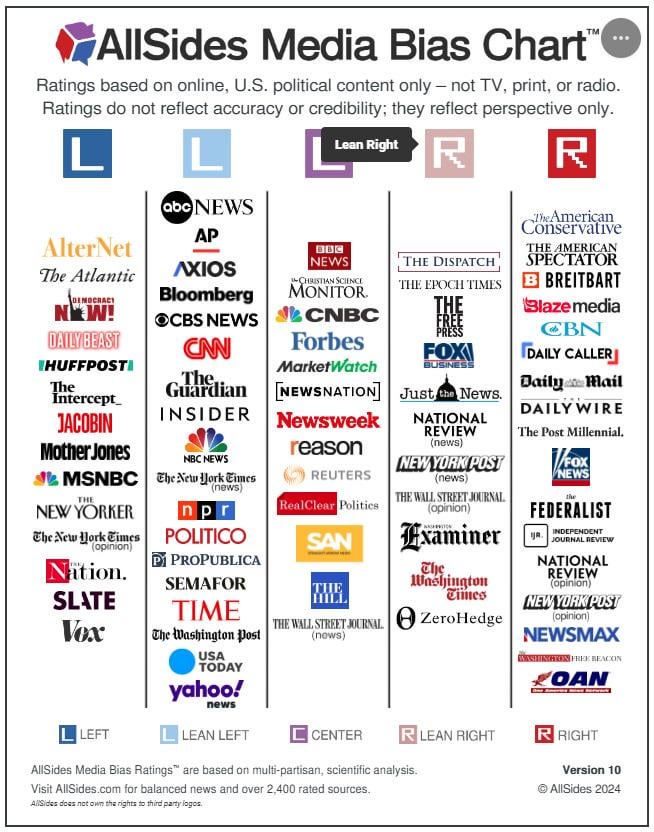
In today’s fast-paced world, staying informed is crucial. With the abundance of news sources available, determining the best source of news can be a daunting task. This article aims to explore the various aspects of news sources, analyze their strengths and weaknesses, and provide insights into identifying the best source of news. By doing so, we can ensure that we receive accurate, reliable, and unbiased information.
Defining the Best Source of News
The term best source of news can be subjective, as it depends on individual preferences and needs. However, some key factors can be considered when evaluating news sources. These factors include accuracy, reliability, diversity, timeliness, and objectivity.
Accuracy and Reliability
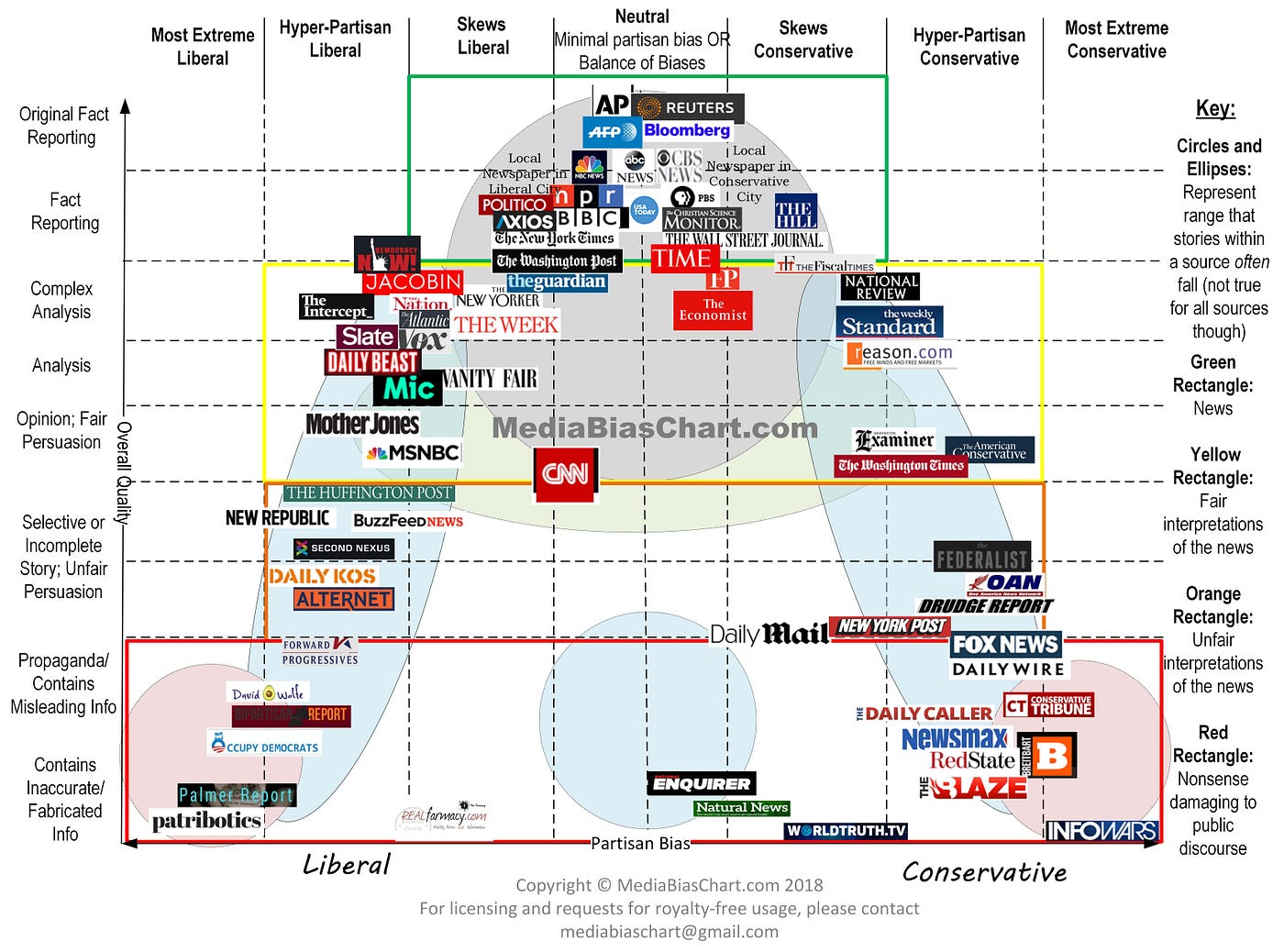
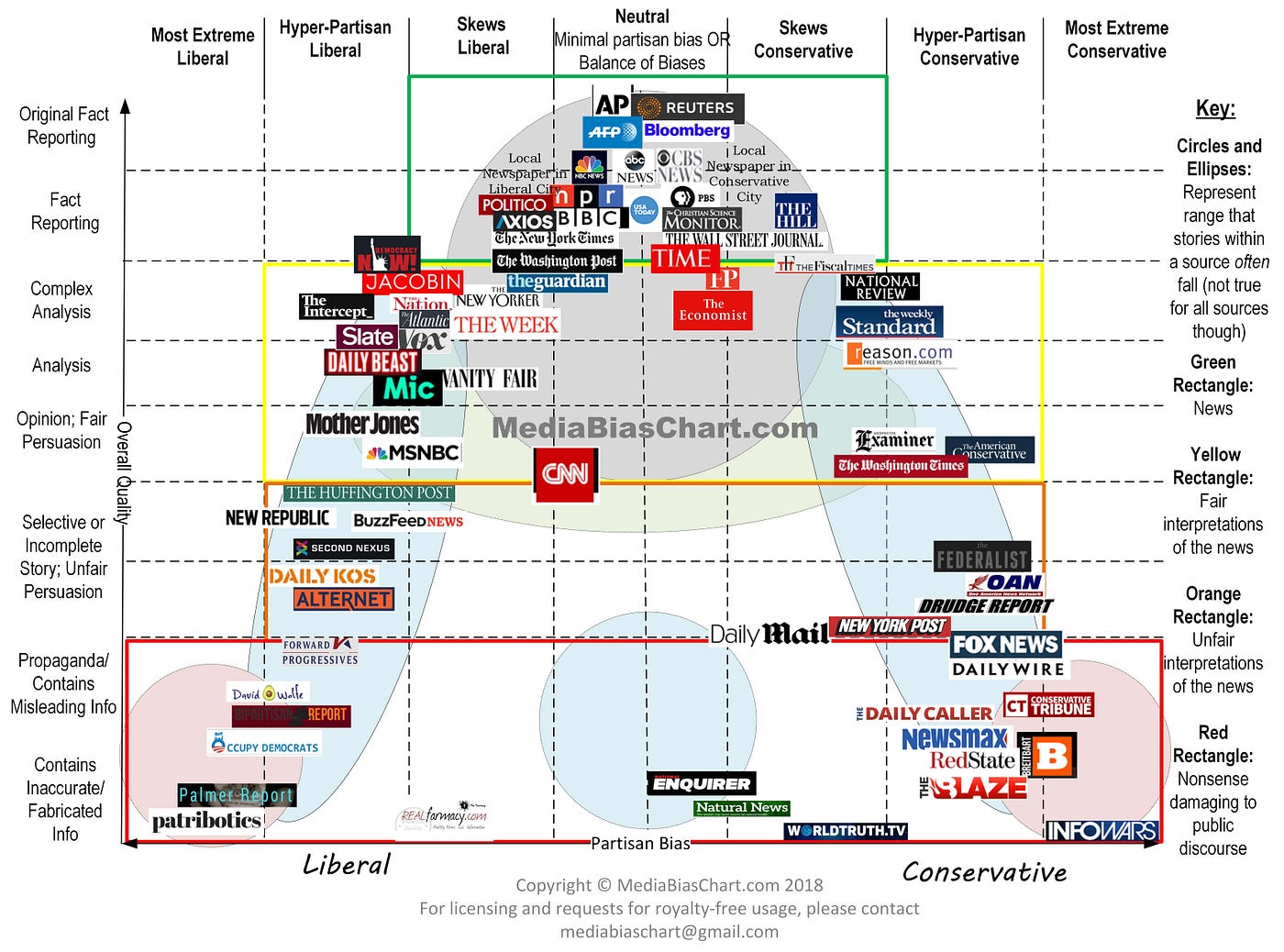
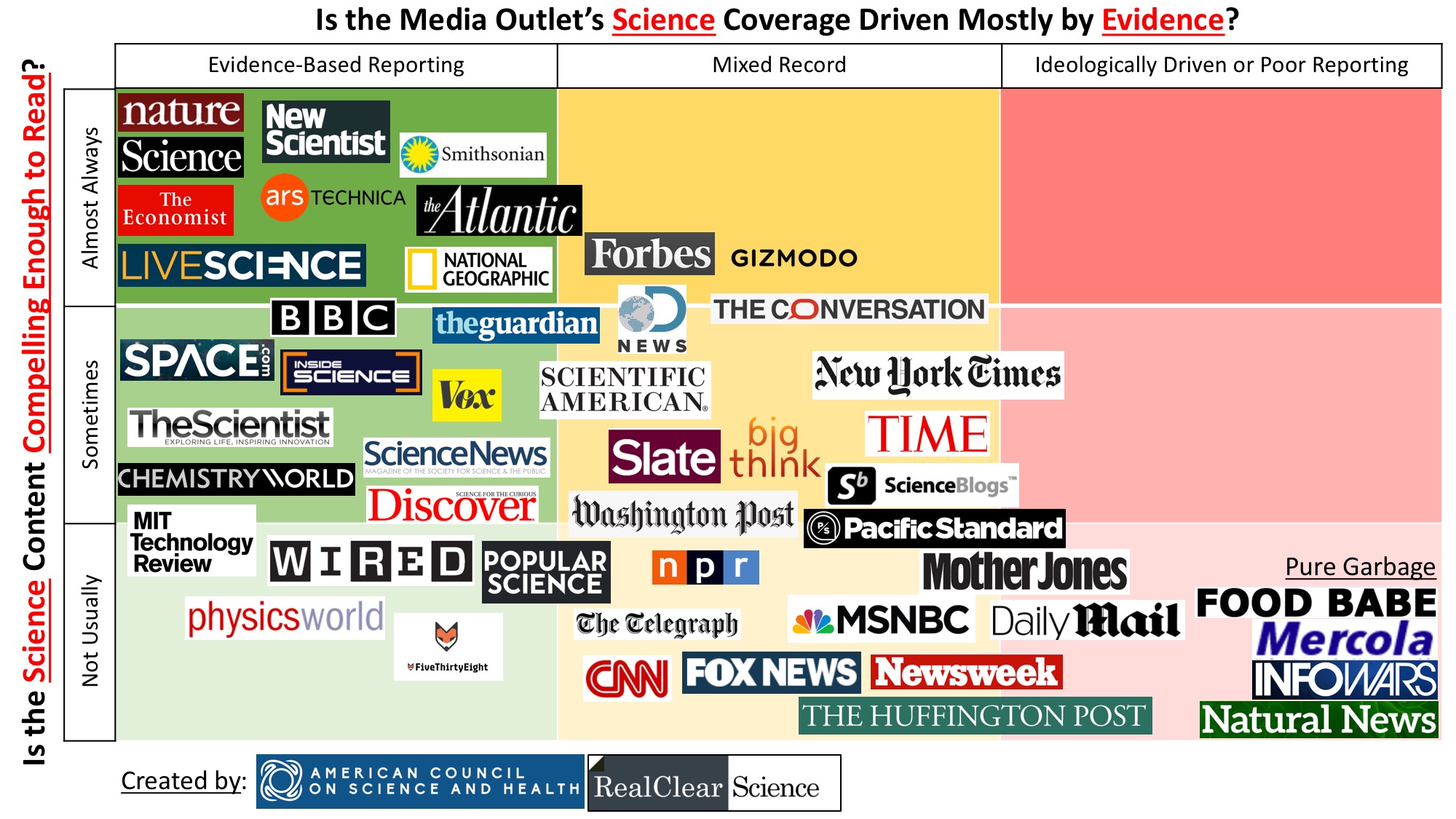
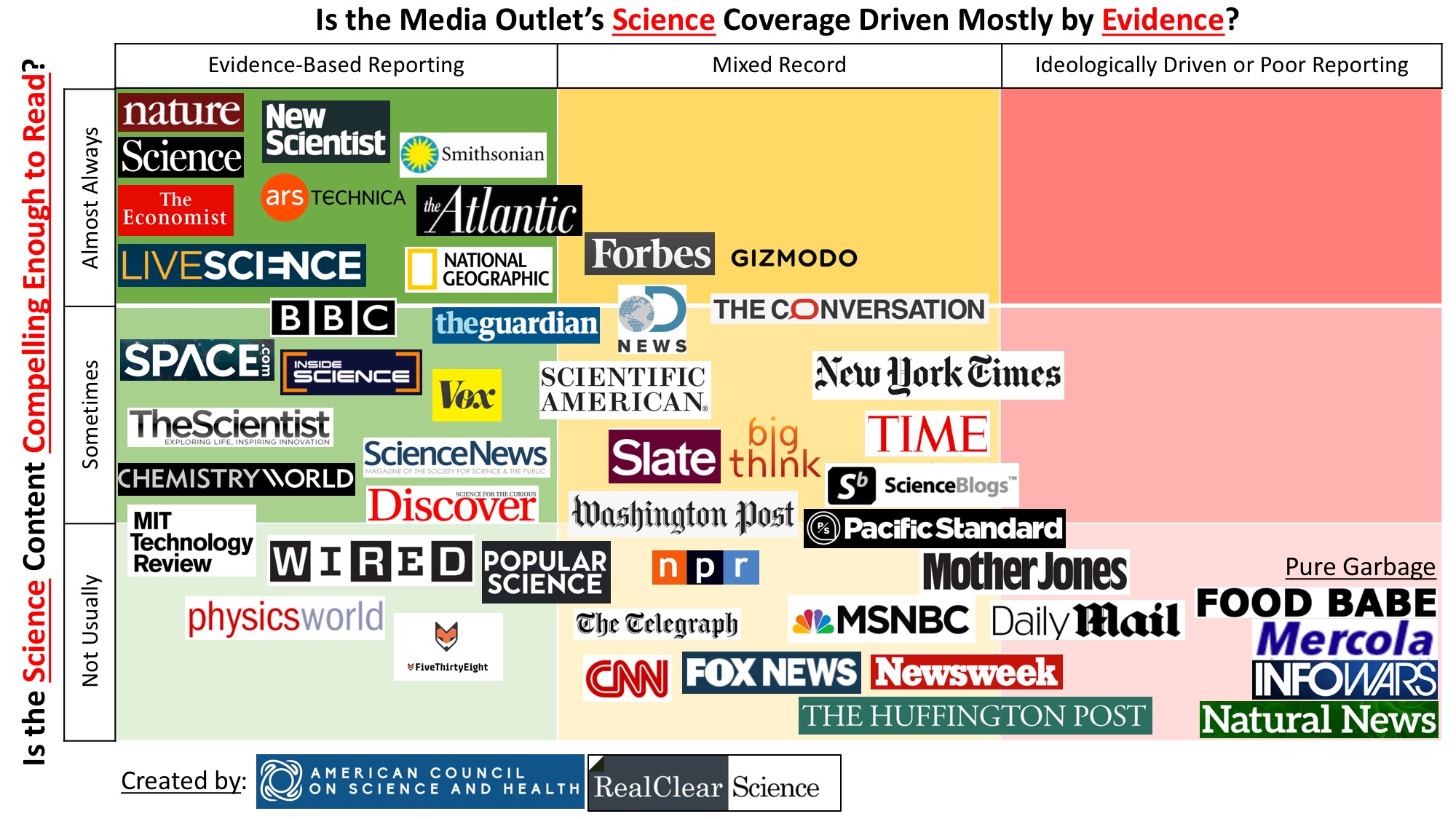
One of the primary characteristics of the best source of news is accuracy. Reliable news sources strive to provide accurate information, fact-checking their stories before publishing. They employ professional journalists who are trained to verify facts and sources. For instance, reputable news organizations like The New York Times, The Guardian, and The Washington Post are known for their commitment to accuracy and reliability.
Diversity
A diverse news source offers a wide range of perspectives and viewpoints. This diversity is crucial in understanding complex issues and events. The best source of news should provide balanced coverage, including various sides of the story. By doing so, readers can form a well-rounded understanding of the topic at hand. For example, news organizations like Al Jazeera and The Economist are recognized for their diverse coverage.
Timeliness
The best source of news should be timely, providing up-to-date information on current events. This timeliness is essential in understanding the context and implications of news stories. Social media platforms like Twitter and Reddit can be useful for real-time updates, but they may lack the depth and accuracy of traditional news sources.
Objectivity
Objectivity is another critical factor in determining the best source of news. Objective news sources strive to present facts without bias or personal opinion. While complete objectivity is challenging to achieve, reputable news organizations make efforts to minimize bias. For instance, The Associated Press is known for its commitment to objectivity.
Factors to Consider When Choosing a News Source
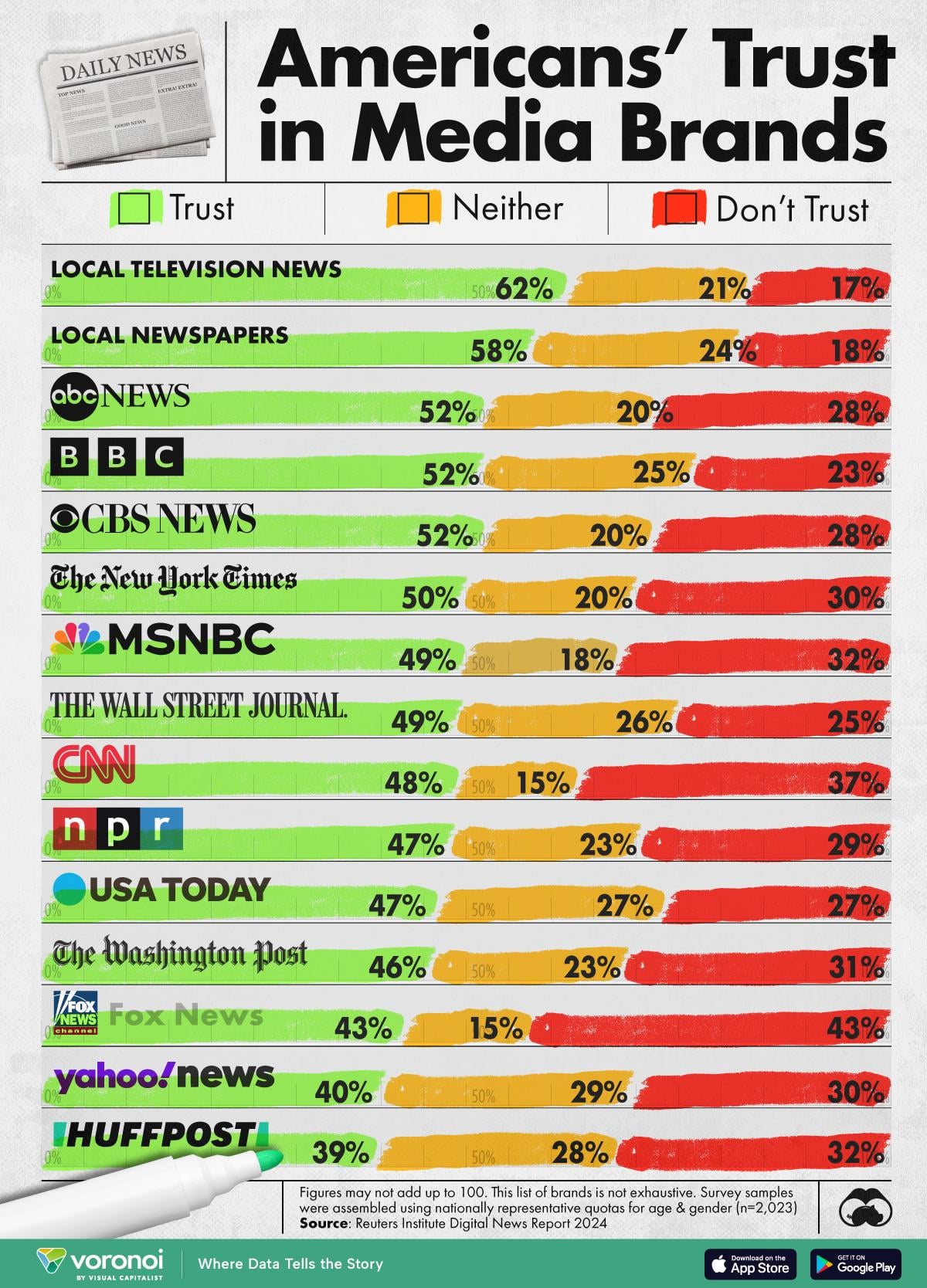
When selecting a news source, it is essential to consider several factors:
1. Reputation: Research the reputation of the news organization. Look for awards, accolades, and recognition from reputable institutions.
2. Editorial Standards: Check the editorial standards of the news source. Reputable organizations have clear guidelines on fact-checking, sourcing, and objectivity.
3. Diversity of Perspectives: Ensure that the news source offers diverse perspectives on various issues.
4. Transparency: Look for transparency in the news source’s funding, ownership, and editorial processes.
Impact of Fake News and Misinformation
The rise of fake news and misinformation has become a significant concern in recent years. This phenomenon has been exacerbated by the proliferation of social media platforms and the ease of sharing information. To combat this, it is crucial to rely on reputable news sources that prioritize accuracy and reliability.
Conclusion
In conclusion, the best source of news is one that combines accuracy, reliability, diversity, timeliness, and objectivity. By considering these factors and conducting thorough research, individuals can identify reputable news sources that meet their needs. As the media landscape continues to evolve, it is essential to remain vigilant and critical consumers of news. By doing so, we can ensure that we receive accurate, reliable, and unbiased information, enabling us to make informed decisions and participate in a well-informed society.
Recommendations and Future Research
To further enhance the quality of news consumption, the following recommendations can be made:
1. Media Literacy Education: Implement media literacy programs in schools to educate individuals on how to critically evaluate news sources.
2. Collaboration between News Organizations: Encourage collaboration between news organizations to share resources and improve the accuracy and reliability of news reporting.
3. Regulatory Measures: Implement regulatory measures to combat fake news and misinformation, while ensuring the freedom of the press.
Future research should focus on the following areas:
1. Impact of News Source Choice on Public Opinion: Investigate how the choice of news sources influences public opinion and political beliefs.
2. Effectiveness of Media Literacy Programs: Evaluate the effectiveness of media literacy programs in improving news consumption habits.
3. Technological Solutions for Combating Fake News: Explore innovative technological solutions to detect and combat fake news and misinformation.
By addressing these recommendations and research areas, we can work towards a more informed and well-rounded society.


