


Title: The Biggest Crisis in America Today: A Comprehensive Analysis
Introduction
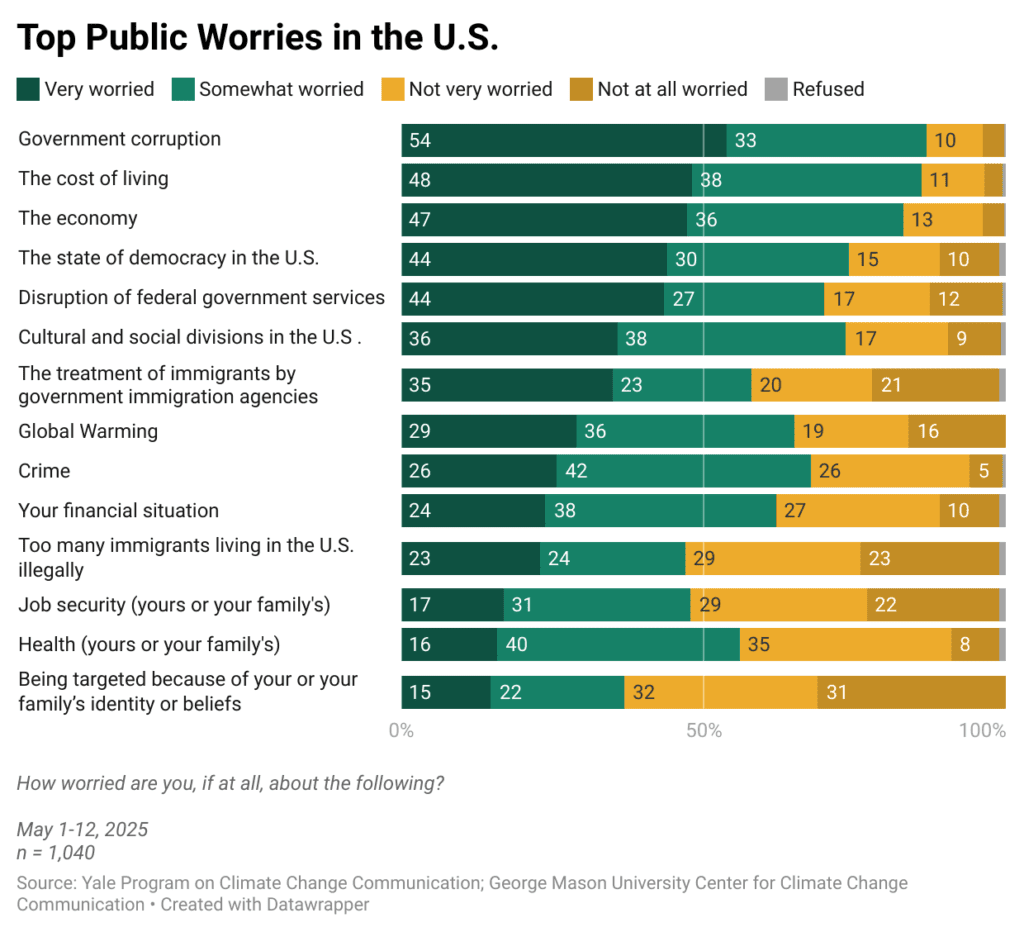
The United States of America, a nation known for its economic prosperity, political stability, and cultural diversity, is currently facing its biggest crisis in recent history. This crisis is multifaceted, encompassing economic, social, and political challenges that have the potential to reshape the nation’s future. In this article, we will explore the various aspects of this crisis, analyze its causes, and discuss potential solutions.
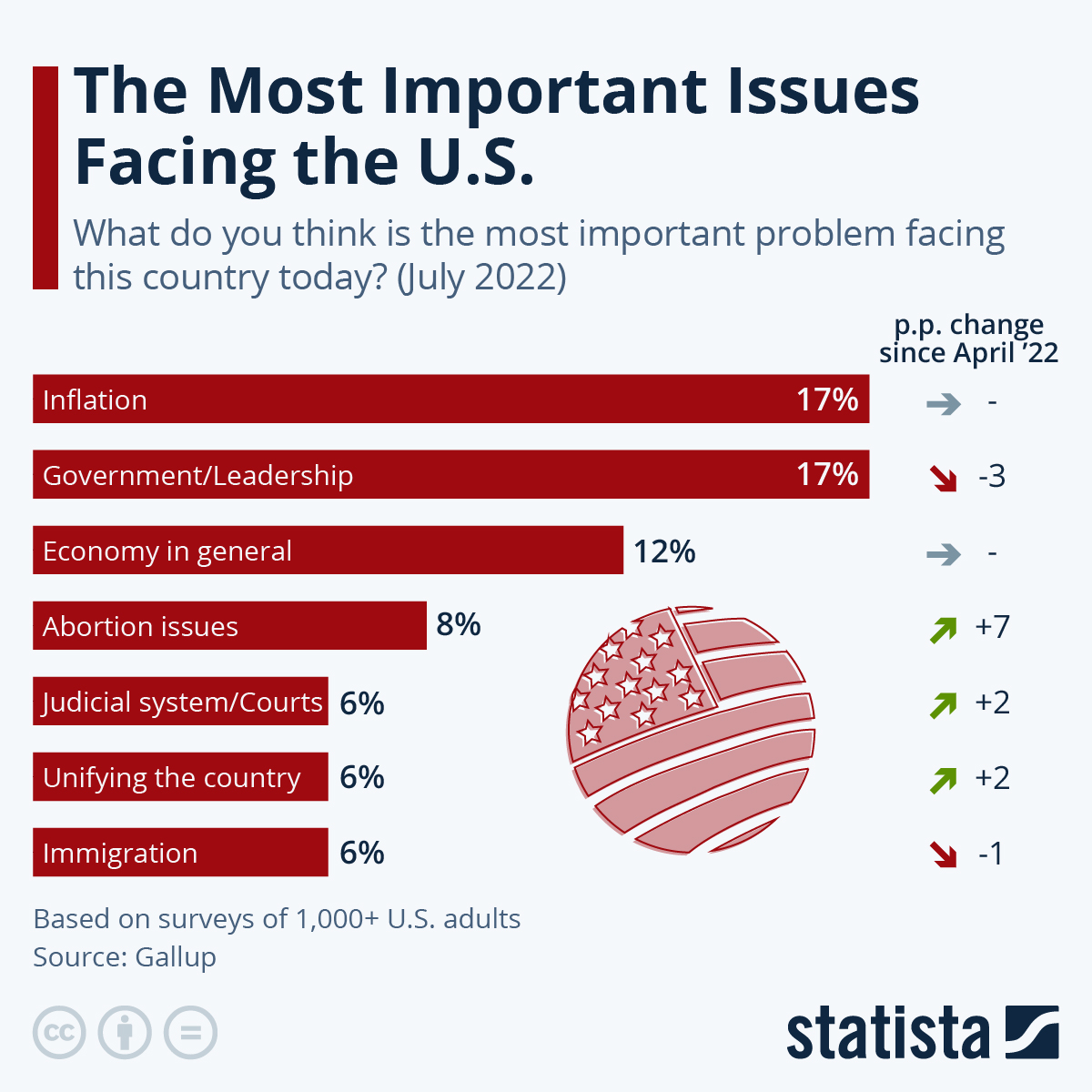
Economic Challenges
The economic crisis in America today is primarily driven by the COVID-19 pandemic, which has caused widespread unemployment, reduced consumer spending, and a significant decline in the nation’s GDP. According to the U.S. Bureau of Labor Statistics, the unemployment rate reached a record high of 14.7% in April 2020, affecting millions of Americans (Bureau of Labor Statistics, 2020). This has led to a rise in poverty levels and an increase in the number of people seeking government assistance.
Moreover, the crisis has exposed the vulnerabilities of the American economy, particularly in the manufacturing and retail sectors. The pandemic has disrupted global supply chains, leading to a decrease in production and a rise in import prices. This has further exacerbated the economic challenges faced by American businesses and workers.
Social Challenges
The social crisis in America today is characterized by increasing income inequality, racial tensions, and political polarization. According to the Economic Policy Institute, the top 1% of Americans controlled 38.6% of the nation’s wealth in 2019, while the bottom 50% controlled just 2.5% (Economic Policy Institute, 2020). This stark disparity has led to widespread social unrest and protests, particularly in the wake of the George Floyd murder in Minneapolis.
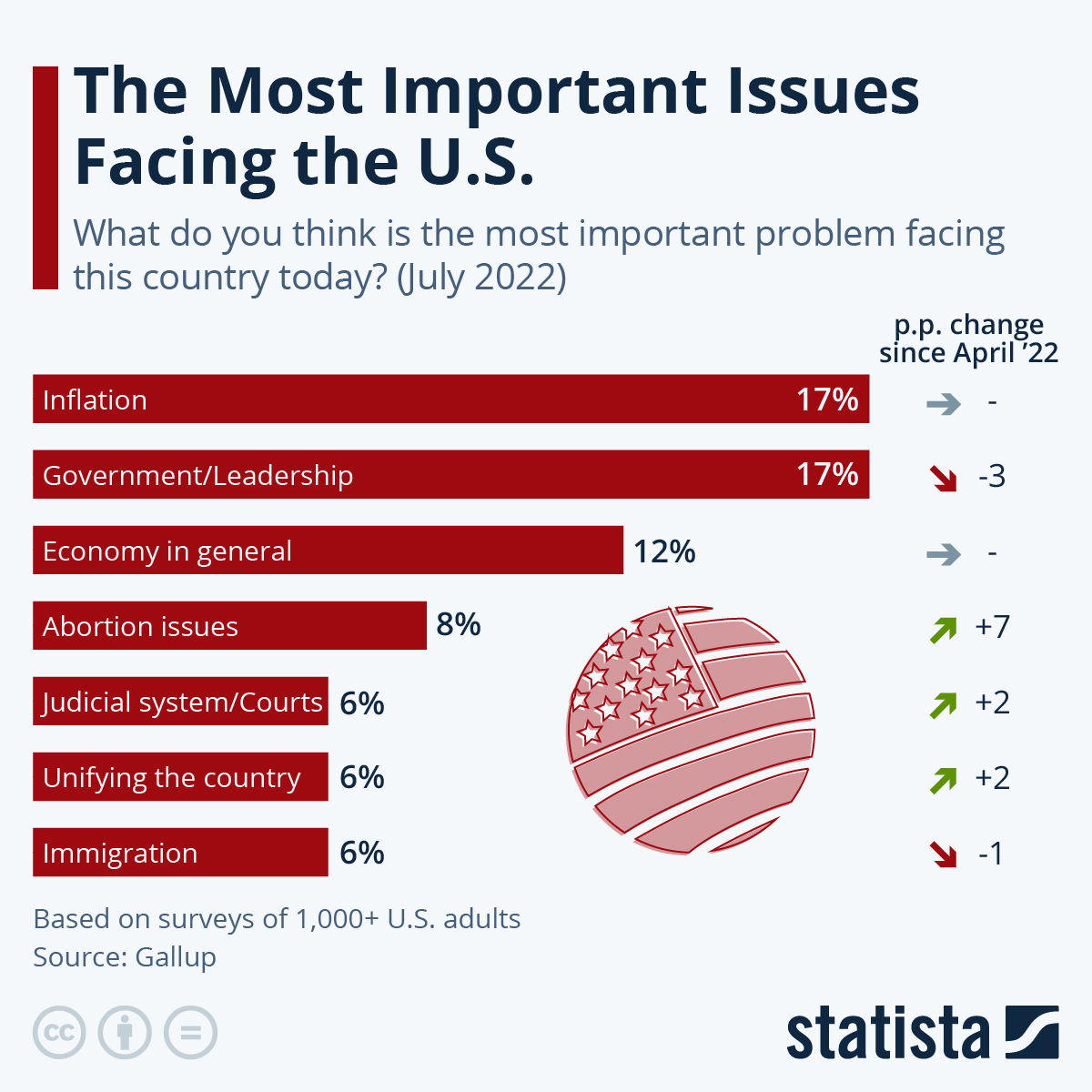
Racial tensions have also reached a boiling point, with the Black Lives Matter movement gaining momentum across the nation. The crisis has highlighted the systemic racism that persists in American society, particularly in the criminal justice system and the healthcare industry.
Political Challenges
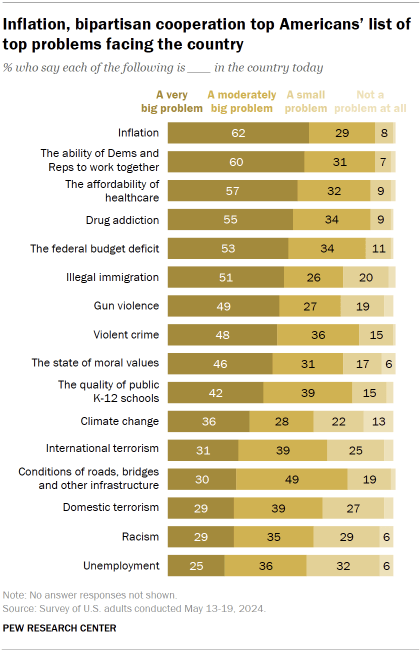
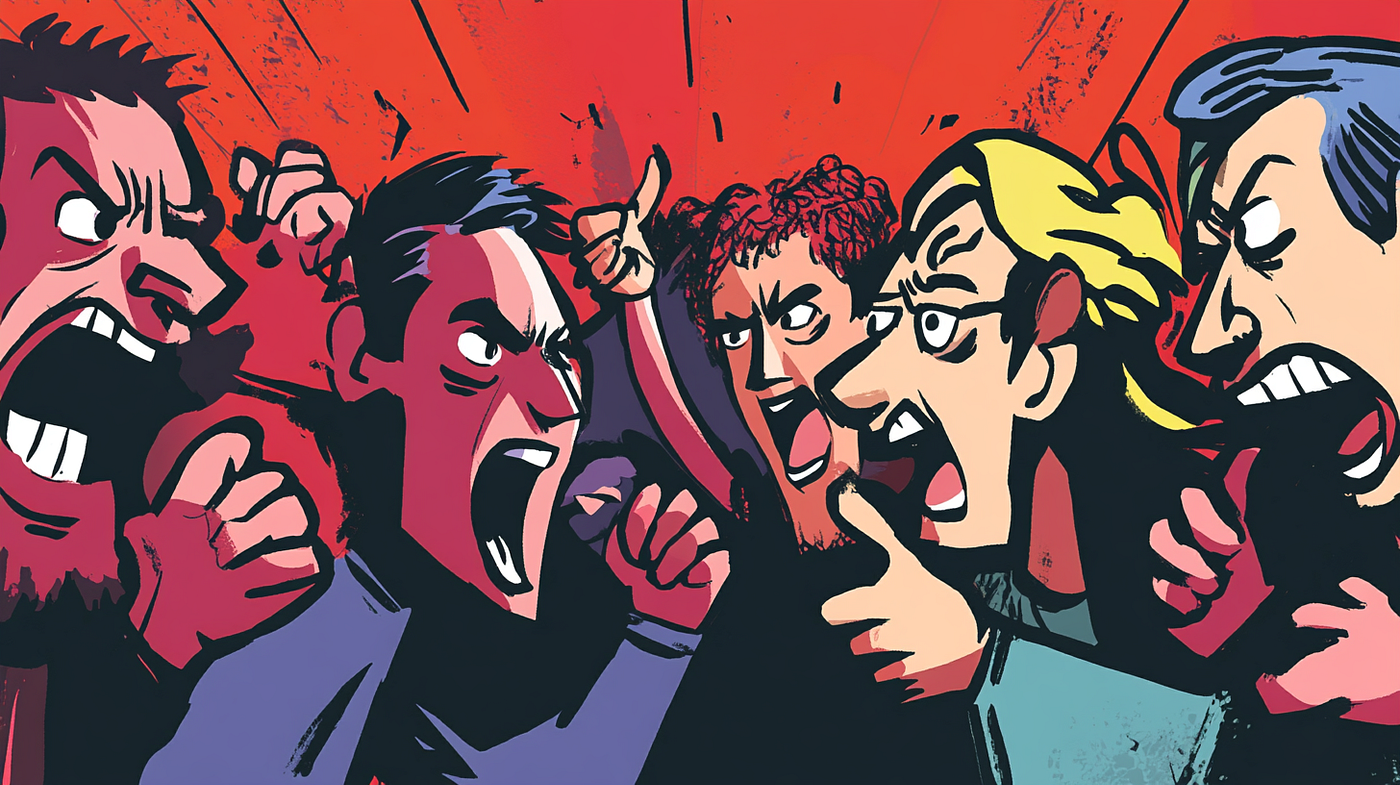
The political crisis in America today is marked by a lack of bipartisanship and a growing divide between the two major political parties. This has made it difficult for the government to address the nation’s most pressing issues, such as the economic and social crises mentioned above. According to the American Enterprise Institute, the level of political polarization in the U.S. has reached an all-time high, with the gap between Democrats and Republicans on key policy issues widening (American Enterprise Institute, 2020).
This political gridlock has also hindered the government’s ability to respond effectively to the COVID-19 pandemic. The lack of a unified approach to vaccination, testing, and economic relief has further exacerbated the nation’s crisis.
Causes of the Crisis
The causes of America’s biggest crisis today can be attributed to several factors, including:
1. Globalization: The increasing interconnectedness of the global economy has made the U.S. more vulnerable to external shocks, such as the COVID-19 pandemic.
2. Political polarization: The growing divide between the two major political parties has made it difficult for the government to address the nation’s most pressing issues.
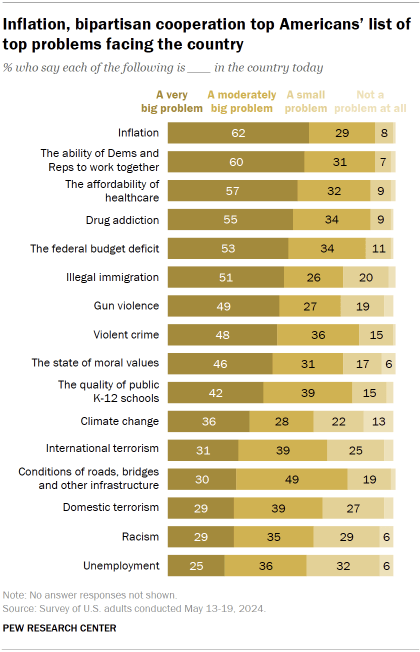
3. Inequality: The widening gap between the rich and the poor has led to increased social unrest and a lack of economic opportunity for many Americans.
4. Systemic racism: The persistence of systemic racism in American society has contributed to the social and economic challenges faced by marginalized communities.
Consequences of the Crisis
The consequences of America’s biggest crisis today are far-reaching, affecting every aspect of American life. The economic crisis has led to widespread unemployment, reduced consumer spending, and a significant decline in the nation’s GDP. The social crisis has resulted in increased income inequality, racial tensions, and political polarization. The political crisis has hindered the government’s ability to respond effectively to the nation’s most pressing issues.
Solutions to the Crisis
To address America’s biggest crisis today, several solutions can be considered:
1. Economic stimulus: The government should implement targeted economic stimulus measures to help businesses and workers recover from the pandemic’s impact.
2. Racial justice: The government should take steps to address systemic racism in American society, including criminal justice reform and increased funding for minority communities.
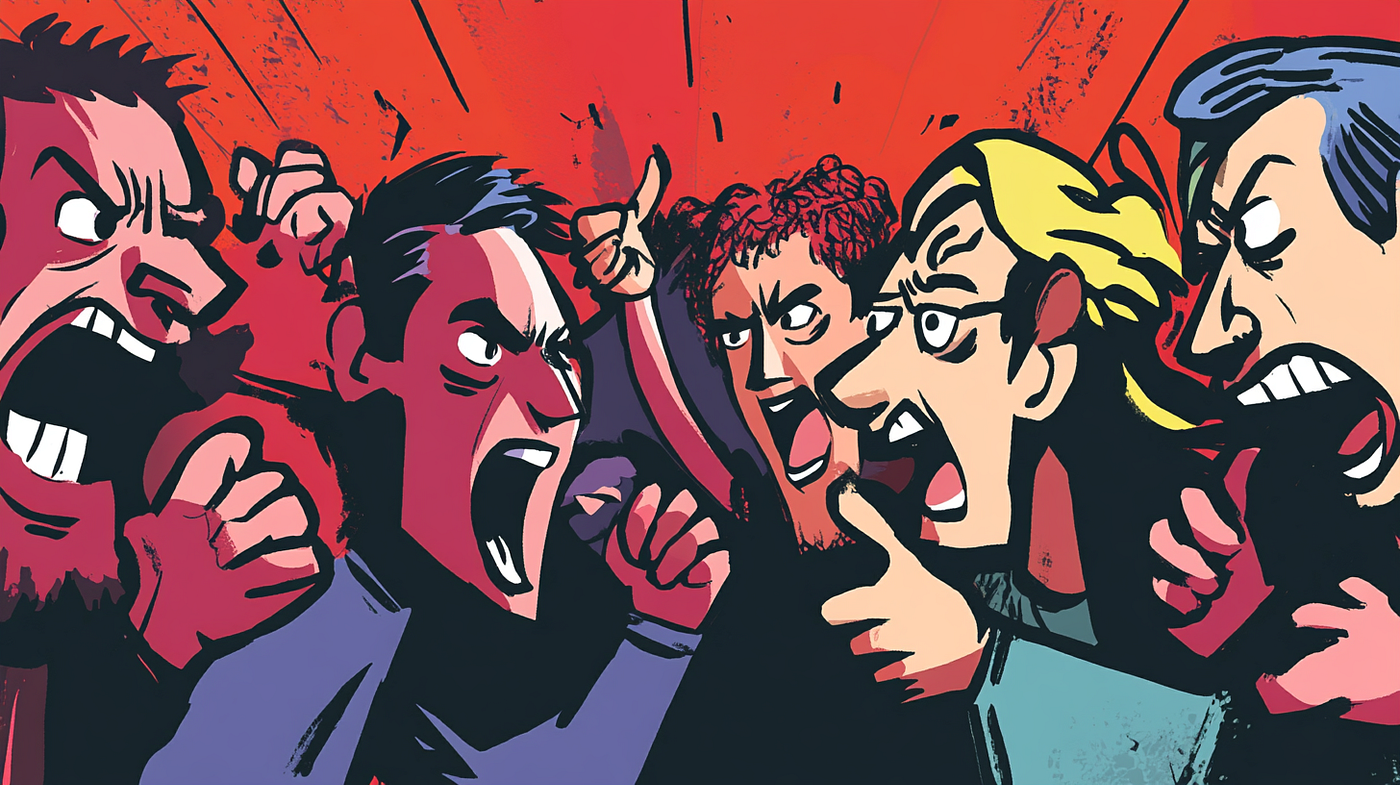
3. Political bipartisanship: The two major political parties should work together to address the nation’s most pressing issues, such as economic inequality and climate change.
4. Education and workforce development: The government should invest in education and workforce development programs to help Americans gain the skills needed to succeed in the modern economy.
Conclusion
The biggest crisis in America today is a multifaceted challenge that requires a comprehensive approach to address. By implementing targeted economic stimulus measures, addressing racial justice issues, promoting political bipartisanship, and investing in education and workforce development, the nation can begin to overcome this crisis and build a stronger, more equitable future.
The importance of addressing this crisis cannot be overstated, as it has the potential to reshape the nation’s future. By taking action now, the U.S. can emerge from this crisis stronger and more resilient, ready to face the challenges of the 21st century.



