


The Evolution and Impact of Channel House Photos: A Comprehensive Analysis
Introduction
In the digital age, the way we perceive and document architecture has undergone a significant transformation. One such innovation is the use of channel house photos, which have become a staple in architectural documentation and presentation. This article aims to explore the evolution of channel house photos, their impact on the architectural field, and the role they play in modern architectural practices. By examining various aspects of channel house photos, we will provide a comprehensive analysis of their significance in the industry.
The Concept of Channel House Photos
Definition and Origin
Channel house photos, also known as channel shots, are a type of architectural photography that focuses on capturing the vertical and horizontal lines of a building. This technique was developed in the early 20th century by the American photographer, Minor White. The term channel refers to the channels of light that pass through the building, creating a sense of depth and perspective.
Techniques and Equipment
To achieve the desired effect, photographers use a wide-angle lens and a camera with a low ISO setting. The technique involves positioning the camera at a specific angle to capture the channels of light and shadow that define the architectural form. This method requires precision and a keen eye for detail.
The Evolution of Channel House Photos
Early Developments
In the early days, channel house photos were primarily used for architectural documentation. They provided a unique perspective that highlighted the structural elements of a building, making them invaluable for architects and engineers. However, the use of film and limited printing technology restricted the widespread adoption of this technique.
Technological Advancements
With the advent of digital photography and improved printing techniques, channel house photos have gained popularity. The ability to manipulate and enhance images during post-processing has allowed photographers to experiment with different styles and techniques, further expanding the scope of channel house photos.
Modern Applications
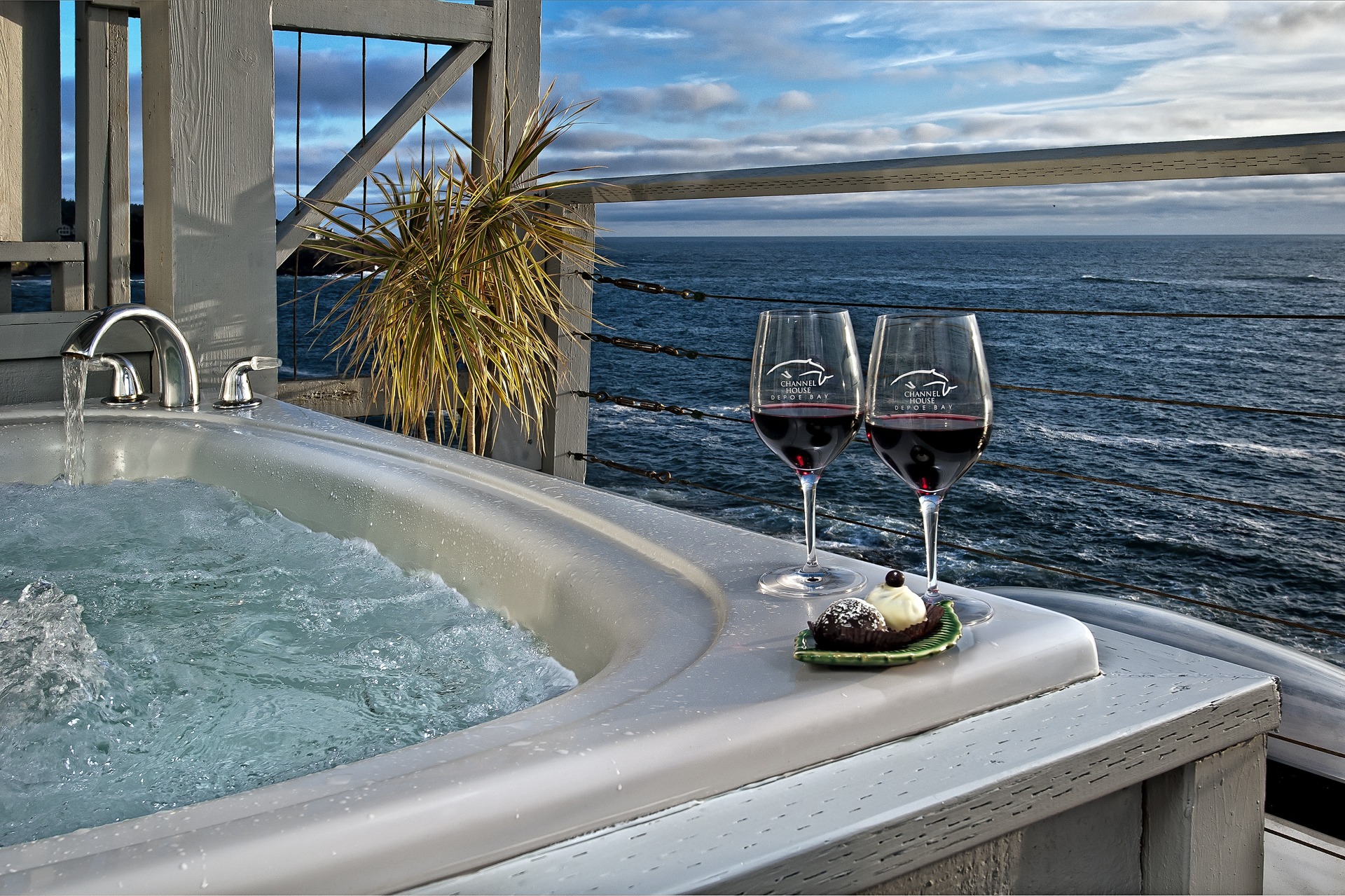
Today, channel house photos are not only used for architectural documentation but also for marketing, interior design, and virtual tours. Their ability to showcase the unique characteristics of a building has made them a favorite among architects, developers, and property owners.
The Impact of Channel House Photos on the Architectural Field
Enhancing Architectural Documentation
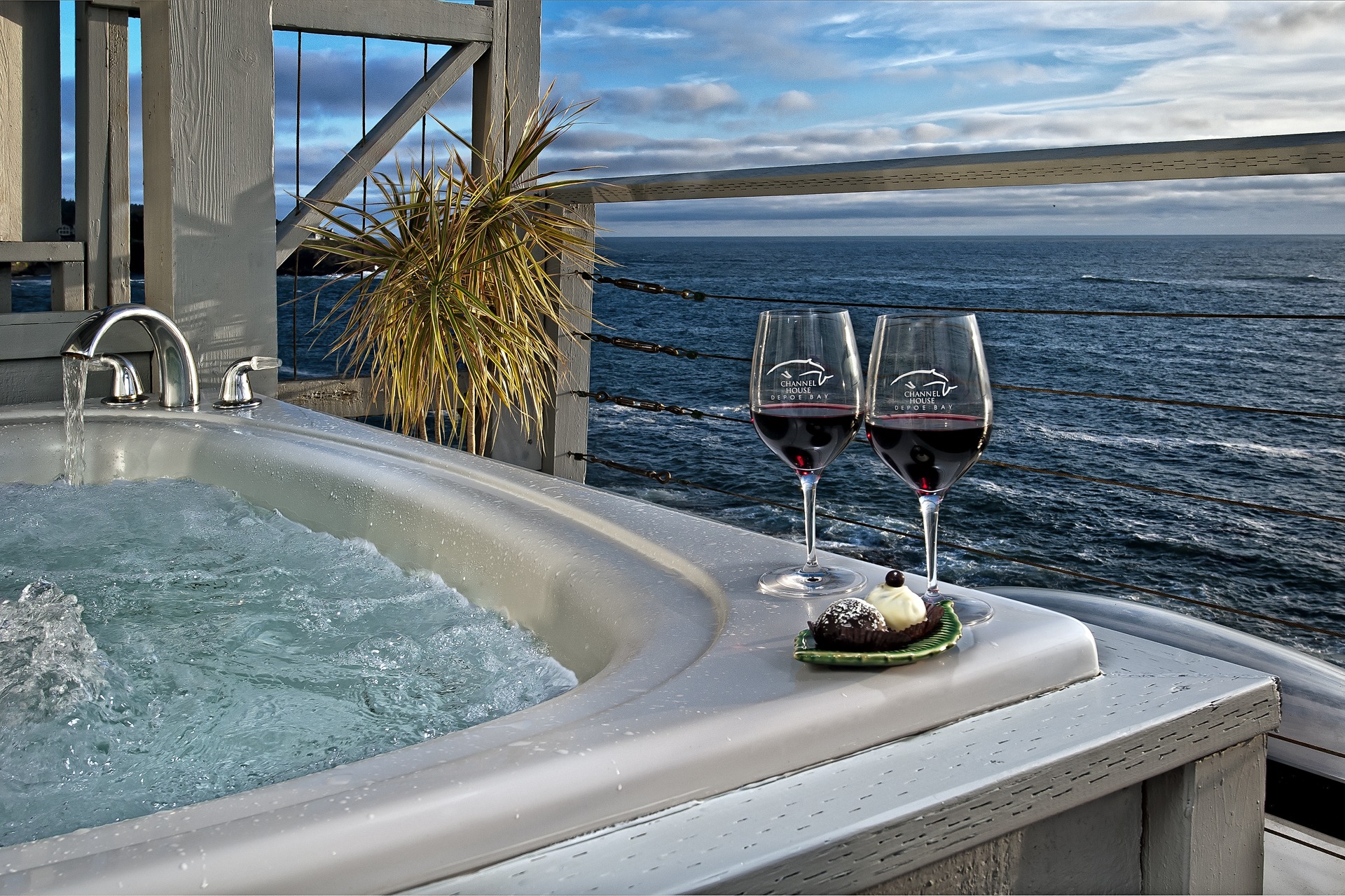
Channel house photos provide a detailed and accurate representation of a building’s structure and design. This makes them an essential tool for architects and engineers during the planning and construction phases. By highlighting the architectural features, these photos help in identifying potential issues and ensuring the building’s integrity.
Aesthetic Appeal
The aesthetic quality of channel house photos cannot be overlooked. The play of light and shadow creates a visually captivating image that can inspire and evoke emotions. This has led to the increased use of channel house photos in architectural presentations and marketing materials.
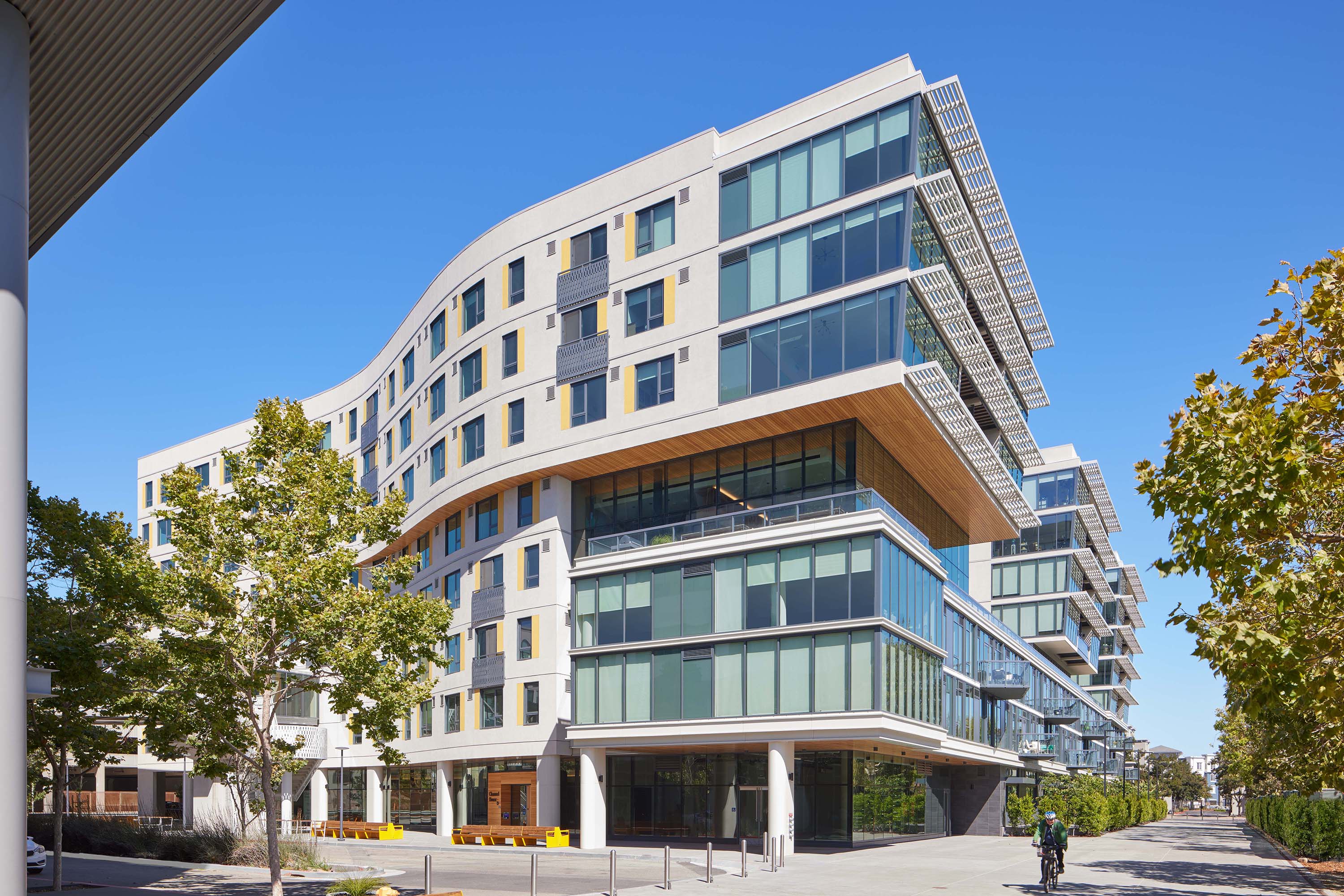
Cross-Disciplinary Collaboration
Channel house photos have become a bridge between architecture, photography, and other creative fields. They have facilitated collaboration between architects, photographers, and designers, leading to innovative projects and a more holistic approach to architectural design.
Case Studies: Notable Channel House Photos
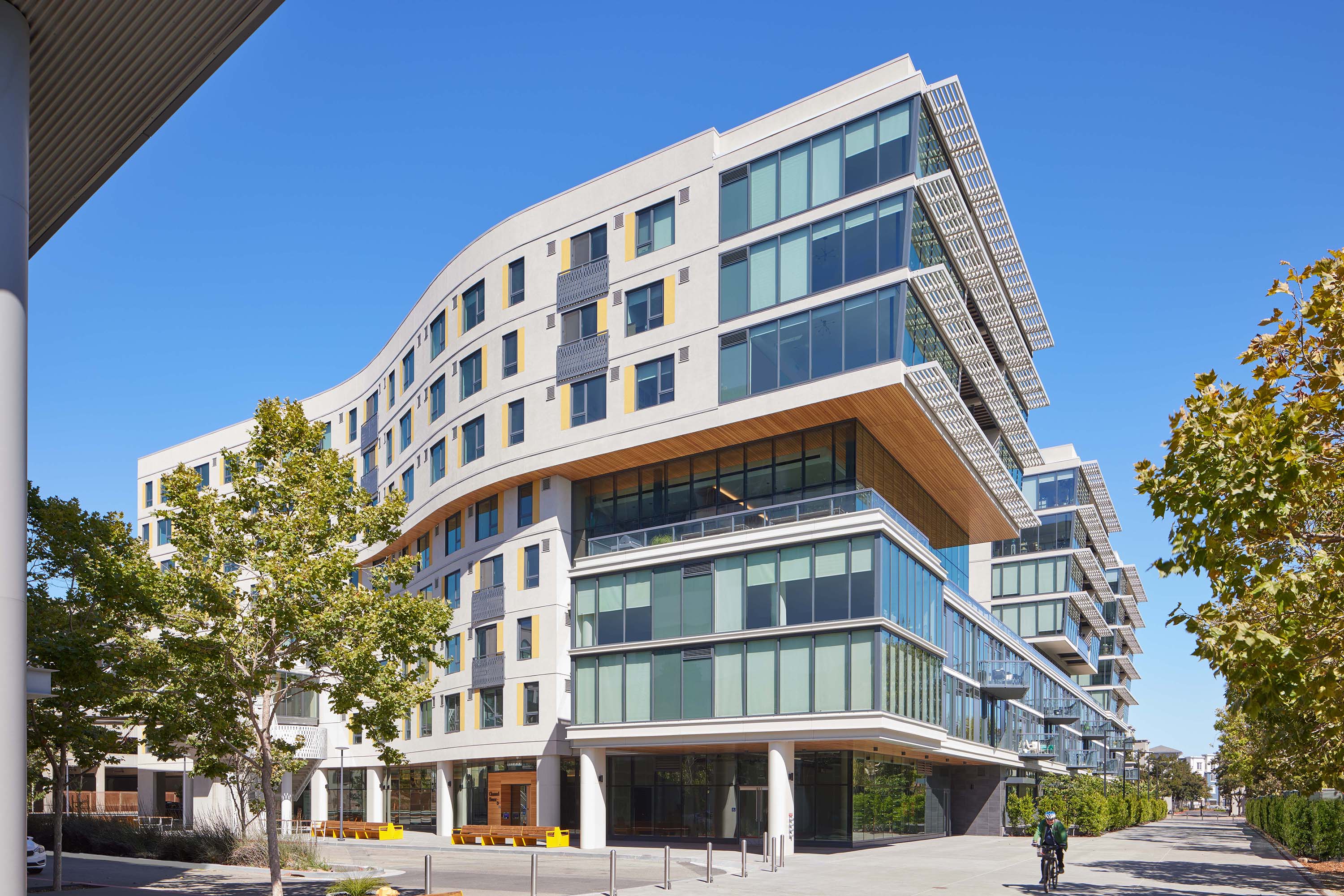
The Guggenheim Museum
One of the most iconic examples of channel house photos is the photograph of the Guggenheim Museum in New York City by Minor White. This image captures the spiral form of the building and the channels of light that define its structure, making it a classic example of the technique.
The Burj Khalifa
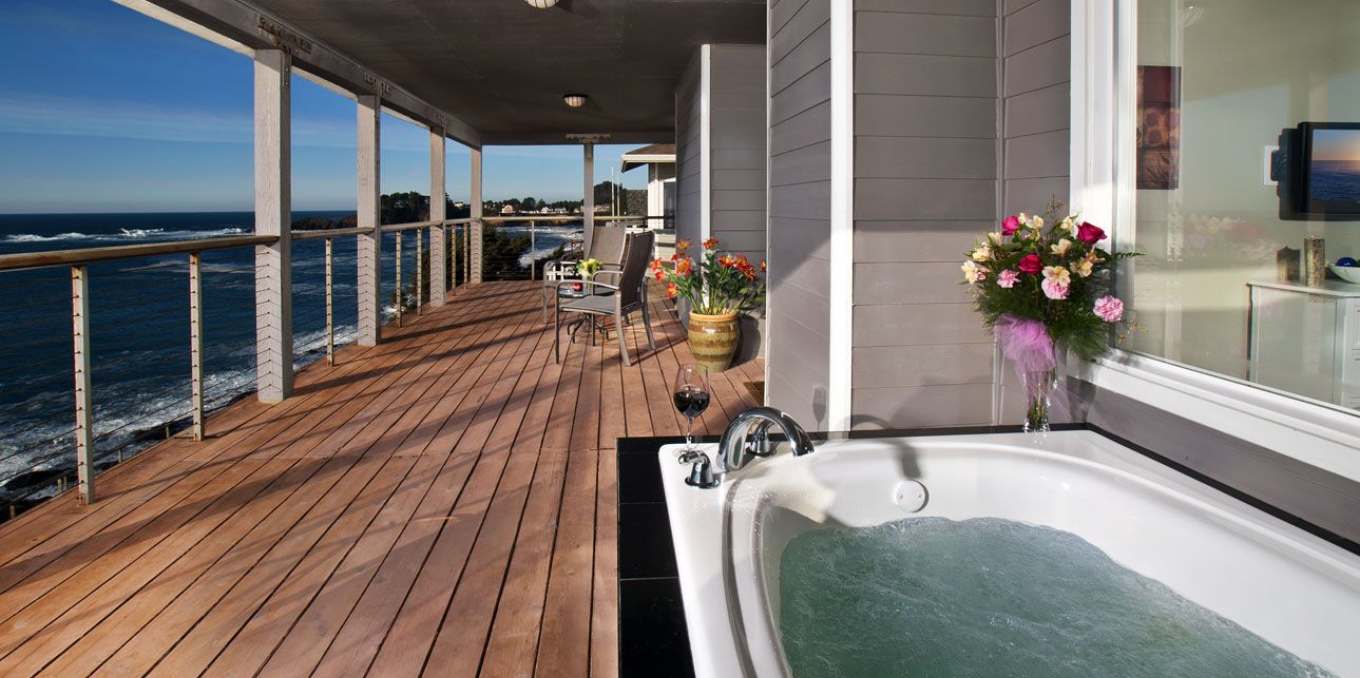
Another notable example is the channel house photo of the Burj Khalifa in Dubai. This image showcases the building’s unique Y-shaped design and the channels of light that highlight its verticality.
Challenges and Limitations
Technical Challenges
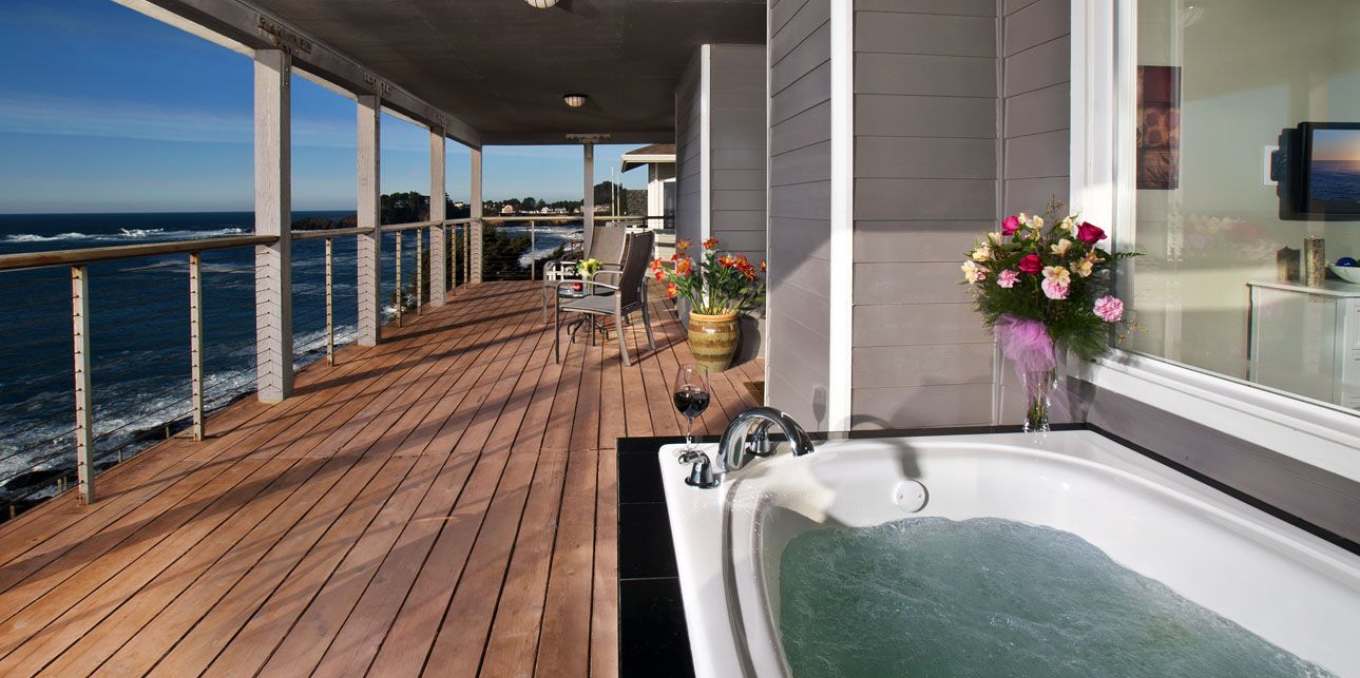
While channel house photos offer a unique perspective, they also come with technical challenges. Achieving the perfect composition and lighting requires skill and experience. Additionally, the wide-angle lens can distort the perspective, making it essential for photographers to compensate for these effects.
Subjectivity
The aesthetic quality of channel house photos is subjective. While some may find the images visually captivating, others may prefer a different style of photography. This subjectivity can lead to debates about the value and relevance of channel house photos in architectural documentation and presentation.
Conclusion
Channel house photos have evolved from a simple architectural documentation technique to a versatile tool that enhances the aesthetic appeal and functionality of architectural projects. Their impact on the architectural field is undeniable, as they have become an integral part of architectural documentation, marketing, and design. By highlighting the structural and aesthetic qualities of buildings, channel house photos have contributed to the advancement of the architectural profession. As technology continues to evolve, it is likely that channel house photos will continue to play a significant role in the future of architectural photography and presentation.
Recommendations and Future Research
To further enhance the use of channel house photos, architects and photographers should:
1. Collaborate more closely to ensure that the photos accurately represent the architectural design.
2. Explore new techniques and equipment to overcome technical challenges.
3. Develop a standardized approach to channel house photography to ensure consistency in the quality of images.
Future research should focus on:
1. The impact of channel house photos on the perception of architectural spaces.
2. The role of channel house photos in sustainable architectural design.
3. The integration of channel house photos with virtual reality and augmented reality technologies.



