


MSNBC Protests: A Comprehensive Analysis of Public Outcry and its Implications
Introduction
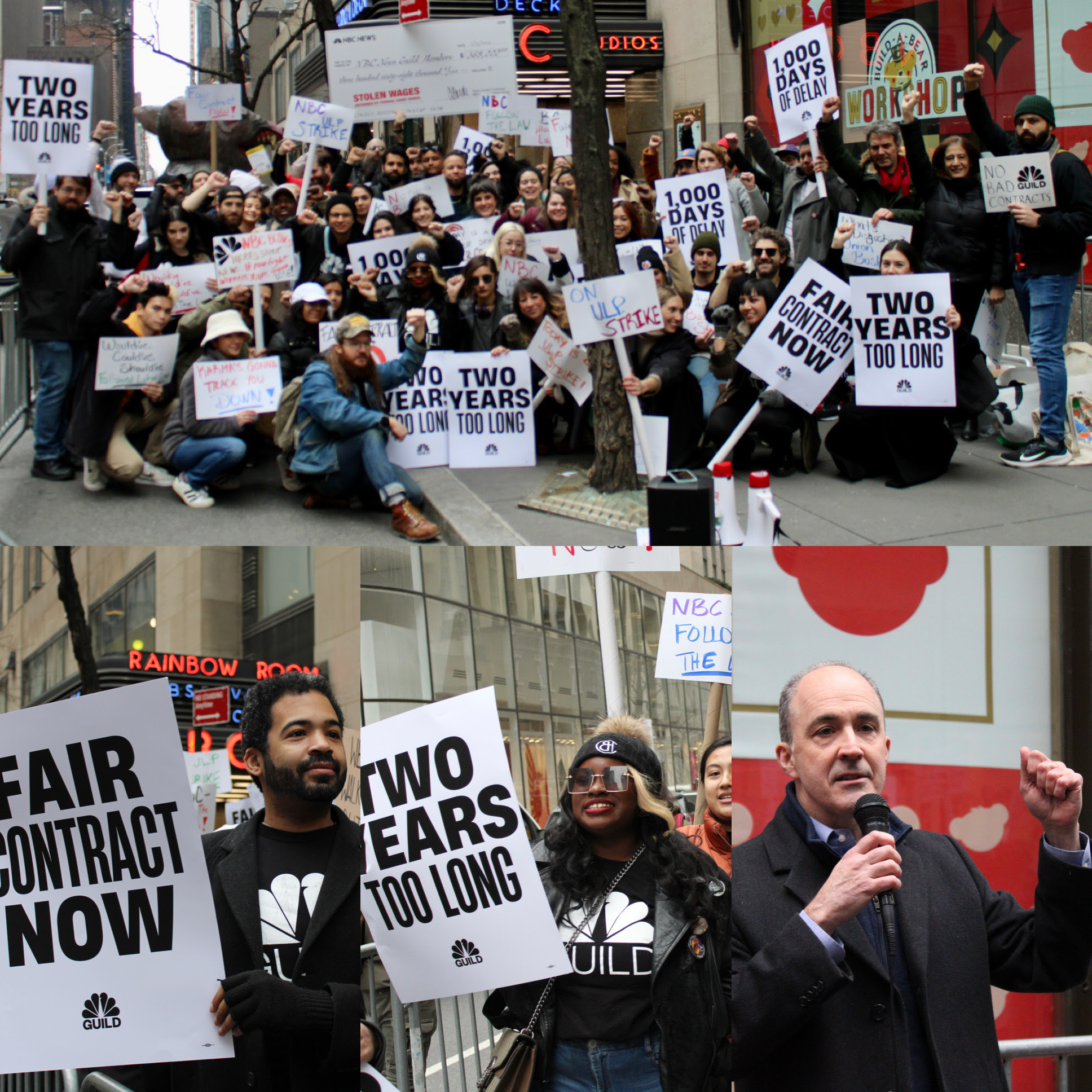
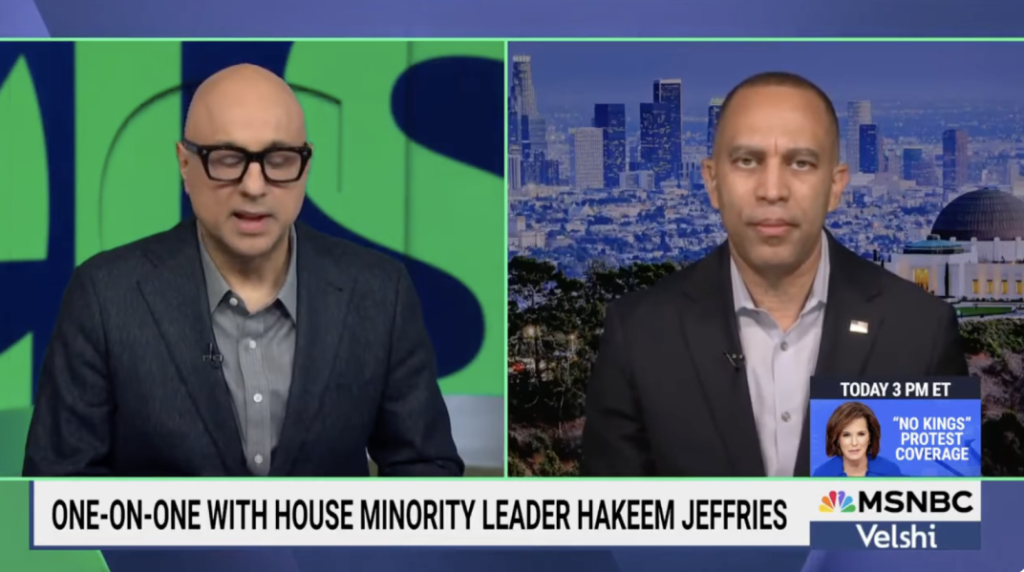
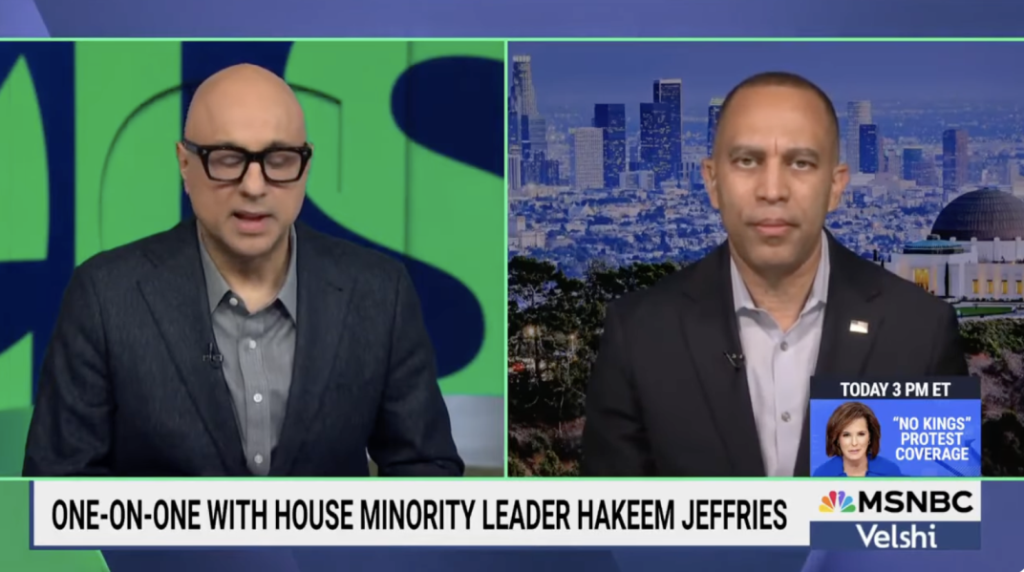
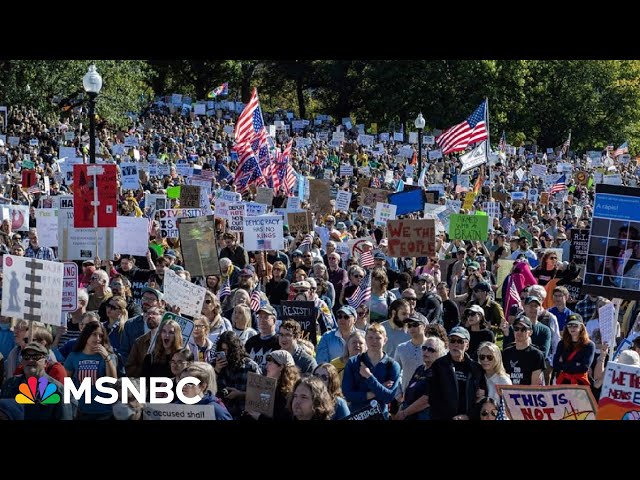
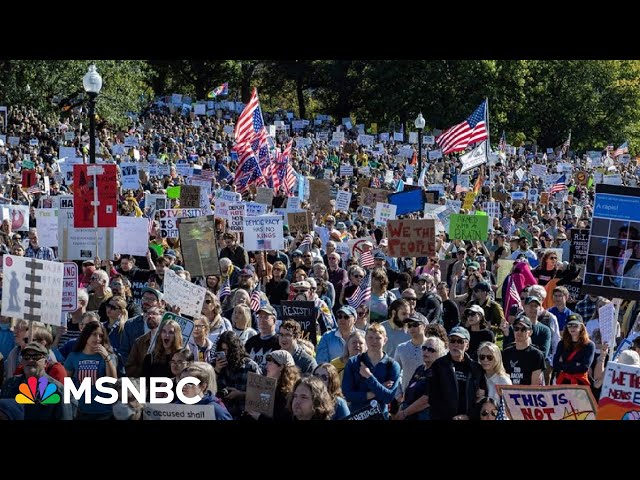
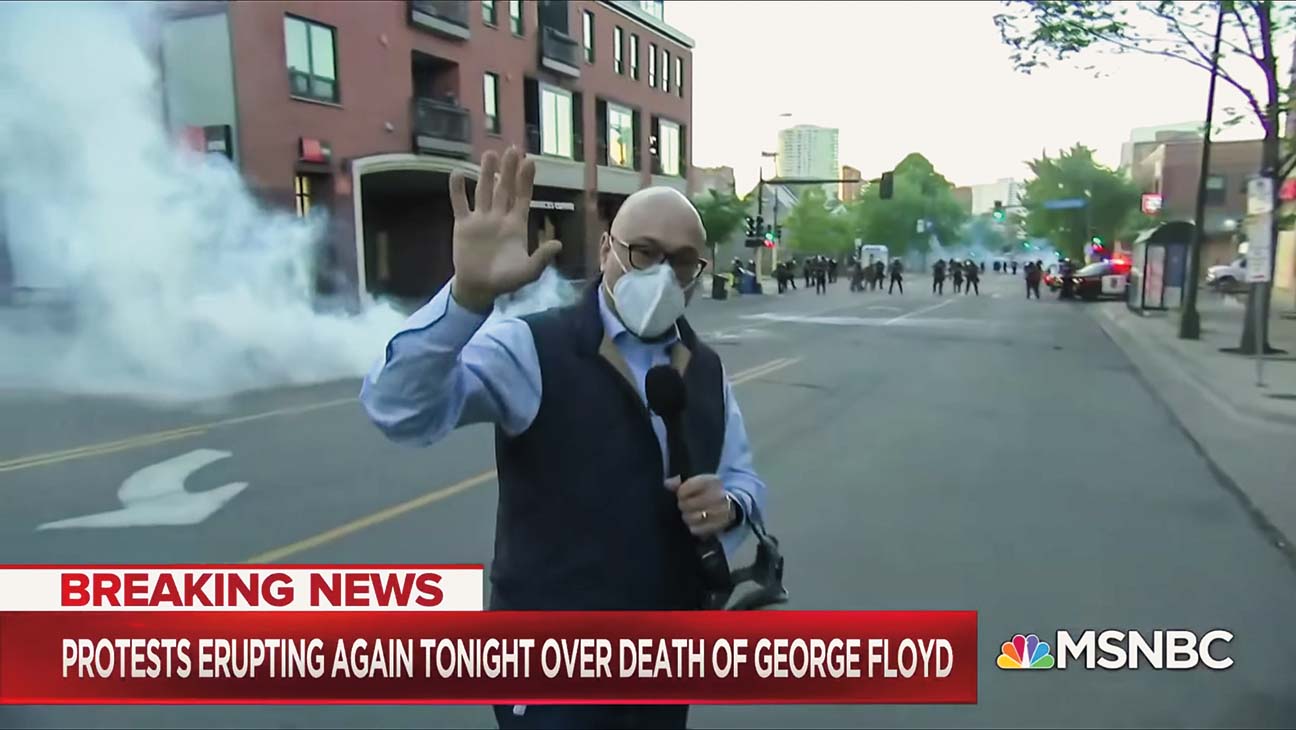
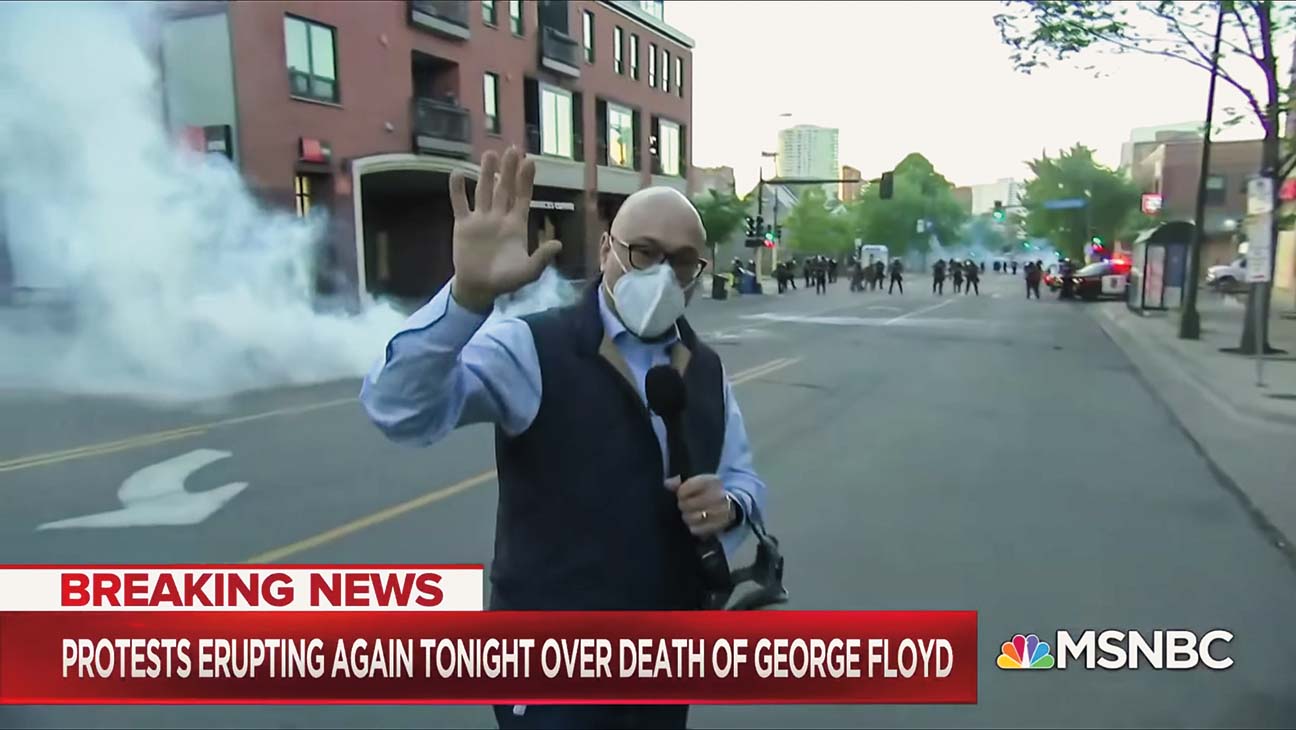
The MSNBC protests have emerged as a significant event in recent times, capturing the attention of both the public and scholars alike. These protests, which have been characterized by a strong display of public discontent, have raised questions about the role of media in shaping public opinion and the impact of such events on societal dynamics. This article aims to provide a comprehensive analysis of the MSNBC protests, exploring their origins, the reasons behind the public outcry, and the broader implications of these events.
The Origins of the MSNBC Protests
Historical Context
The MSNBC protests can be traced back to a series of events that have unfolded over the years, including political polarization, media bias, and the increasing influence of social media. The historical context of these protests is crucial in understanding the reasons behind the public’s discontent.
Media Bias and Public Perception
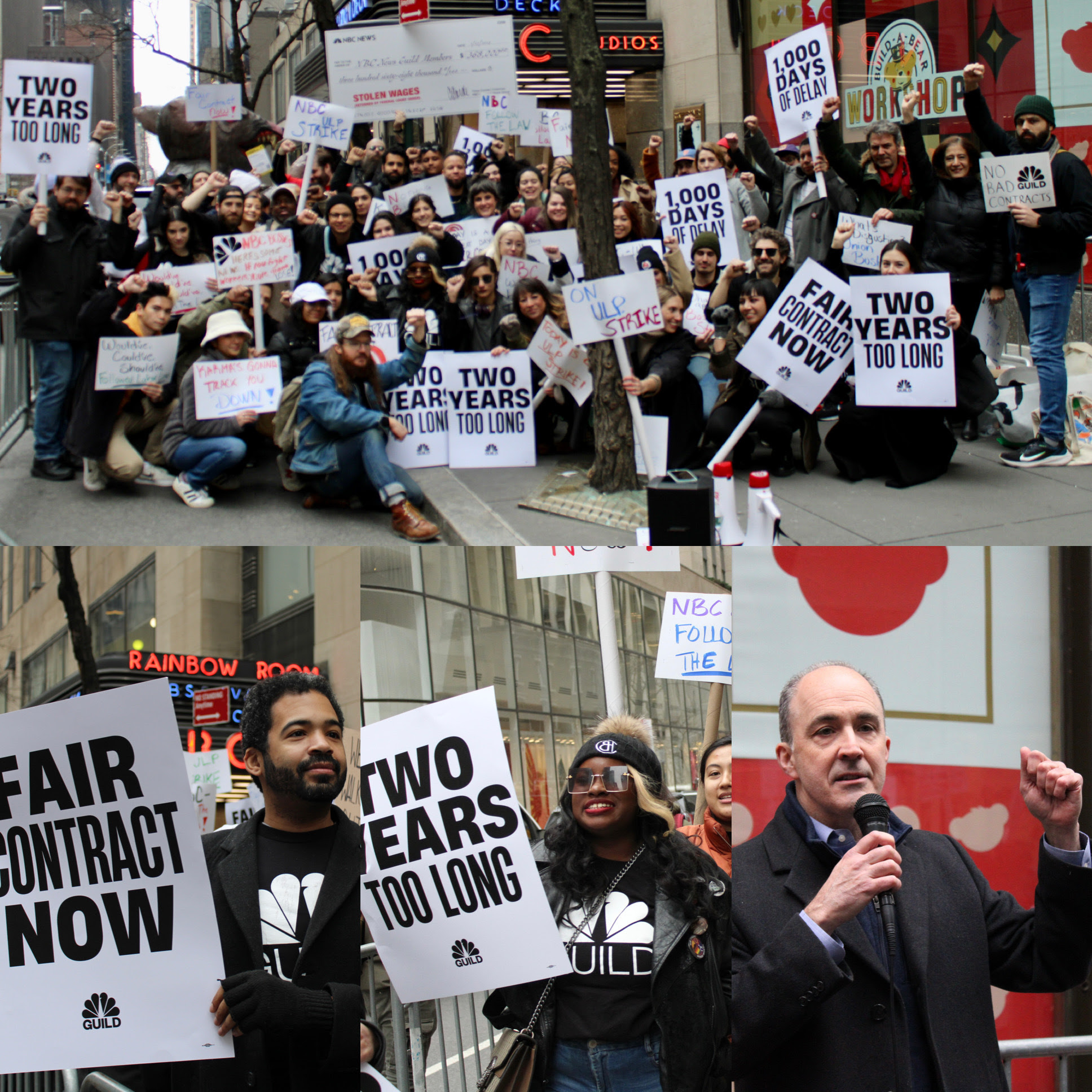
One of the primary reasons for the protests is the perceived bias in media reporting, particularly by MSNBC. Critics argue that the network’s reporting often leans towards a particular political ideology, which can lead to a skewed perception of events and issues. This has been a point of contention among viewers who feel that their views are not adequately represented.
The Reasons Behind the Public Outcry
Political Polarization
Political polarization has been a significant factor contributing to the MSNBC protests. As society becomes increasingly divided along political lines, the media has become a battleground for ideological battles. MSNBC’s perceived bias has become a focal point for those who feel marginalized by the mainstream media.
Media Representation
The lack of diversity in media representation has also played a role in the protests. Many viewers feel that their voices are not being heard, and that the media is dominated by a narrow range of perspectives. This has led to a sense of frustration and a desire for change.
Impact of Social Media
Social media has played a pivotal role in the organization and spread of the MSNBC protests. Platforms like Twitter and Facebook have allowed individuals to connect, share information, and mobilize for collective action. This has given the protests a broader reach and a more significant impact.
The Broader Implications of the MSNBC Protests
Media Accountability
The MSNBC protests have highlighted the importance of media accountability. The public’s demand for transparency and accuracy in reporting is a crucial step towards ensuring that the media serves as a reliable source of information.
Societal Dynamics
These protests have also underscored the role of media in shaping societal dynamics. The way media portrays events and issues can significantly influence public opinion and behavior. This has implications for democracy and the functioning of society.
Future of Media
The MSNBC protests may also signal a shift in the future of media. As public trust in traditional media continues to decline, there may be a greater emphasis on independent and diverse sources of information.
Conclusion
The MSNBC protests have served as a wake-up call for the media industry, highlighting the need for accountability, diversity, and accuracy in reporting. While the protests have generated a strong public outcry, they have also sparked a broader conversation about the role of media in society. As we move forward, it is crucial that the media industry takes these concerns seriously and works towards fostering a more inclusive and transparent media landscape.
Recommendations and Future Research
To address the issues raised by the MSNBC protests, the following recommendations are proposed:
–
Enhance Media Accountability
Establish independent bodies to monitor and regulate media reporting to ensure accuracy and fairness.
–
Encourage Media Diversity
Support initiatives that promote diversity in the media industry to ensure a wider range of perspectives are represented.
–
Utilize Social Media Responsibly
Media organizations should leverage social media platforms to engage with the public and provide accurate information.
For future research, the following areas are suggested:
–
Impact of Media Bias on Public Opinion
Conduct studies to assess the long-term impact of media bias on public opinion and societal dynamics.
–
Role of Social Media in Organizing Protests
Investigate the role of social media in organizing protests and its implications for future social movements.
By addressing these recommendations and exploring these research areas, we can work towards a more informed and engaged society.



