The Evolution and Impact of Newsletter Design Software
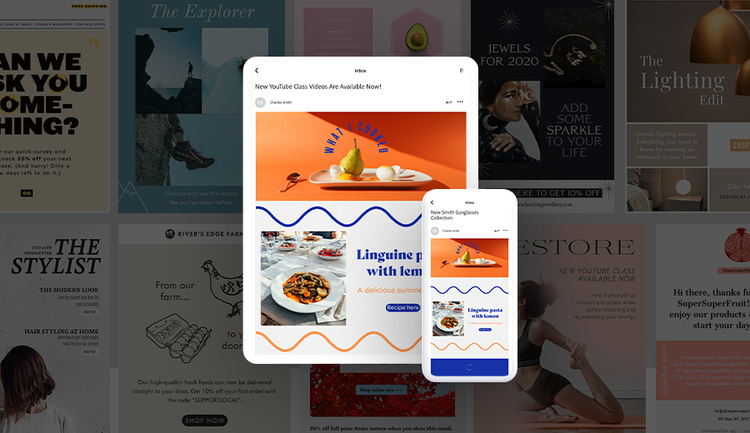
In the digital age, the way we communicate has drastically changed. One of the most significant shifts has been the transition from traditional print newsletters to digital ones. This transformation has been largely driven by the advent and evolution of newsletter design software. This article delves into the significance of newsletter design software, its impact on communication, and the future of digital newsletters.
The Rise of Newsletter Design Software
Newsletter design software has become an essential tool for businesses, organizations, and individuals looking to create engaging and visually appealing newsletters. The first newsletter design software, such as Constant Contact and Mailchimp, emerged in the early 2000s, offering a simple yet effective way to design and send newsletters.
These early tools were a game-changer, as they allowed users to create newsletters without the need for graphic design skills or expensive software. Over the years, the software has evolved, incorporating advanced features like responsive design, A/B testing, and analytics, making it even more powerful and user-friendly.
The Impact of Newsletter Design Software on Communication
The introduction of newsletter design software has had a profound impact on communication. Here are some of the key ways in which it has transformed the way we interact:
Increased Engagement
One of the most significant benefits of newsletter design software is its ability to increase engagement. With visually appealing designs and interactive elements, newsletters can capture the reader’s attention and encourage them to take action, whether that’s visiting a website, making a purchase, or simply reading more.
Personalization
Newsletter design software allows for personalization, which is crucial in today’s communication landscape. By segmenting audiences and tailoring content to their interests, businesses can create more relevant and engaging newsletters. This personalization has been shown to improve open rates and click-through rates, according to a study by Epsilon.
Accessibility
Digital newsletters are more accessible than their print counterparts. They can be accessed from anywhere, at any time, on any device. This accessibility has made it easier for people to stay informed and engaged with the content they care about.
Key Features of Newsletter Design Software
Newsletter design software offers a range of features that make it a valuable tool for anyone looking to create effective newsletters. Some of the key features include:
Drag-and-Drop Design
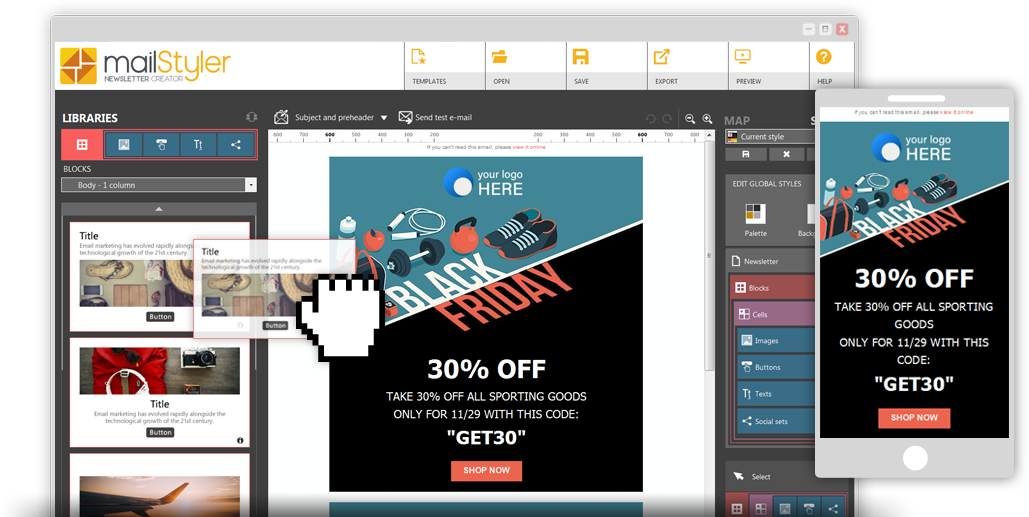
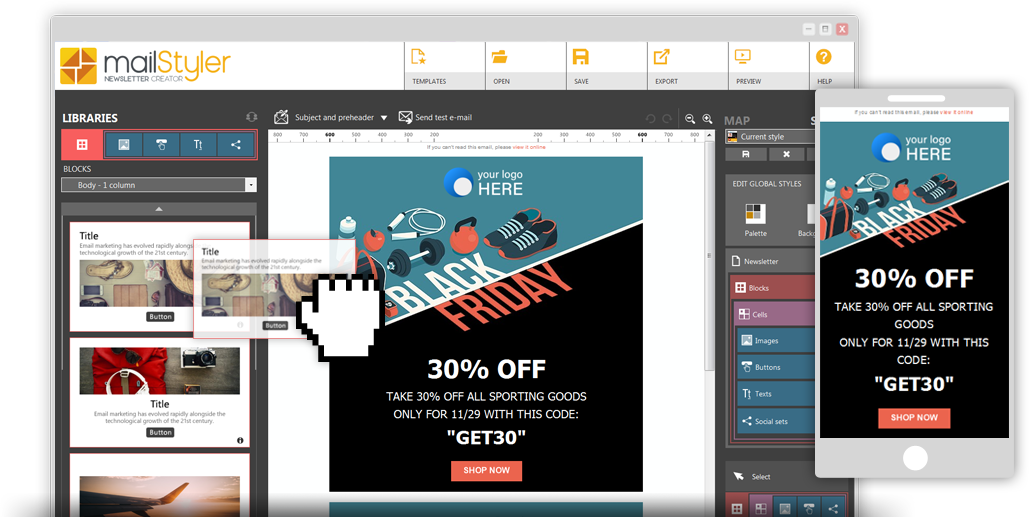
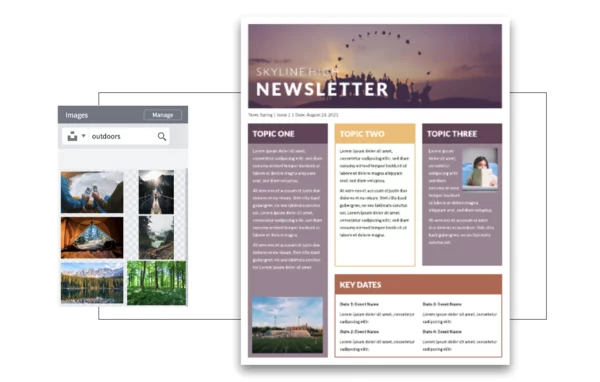
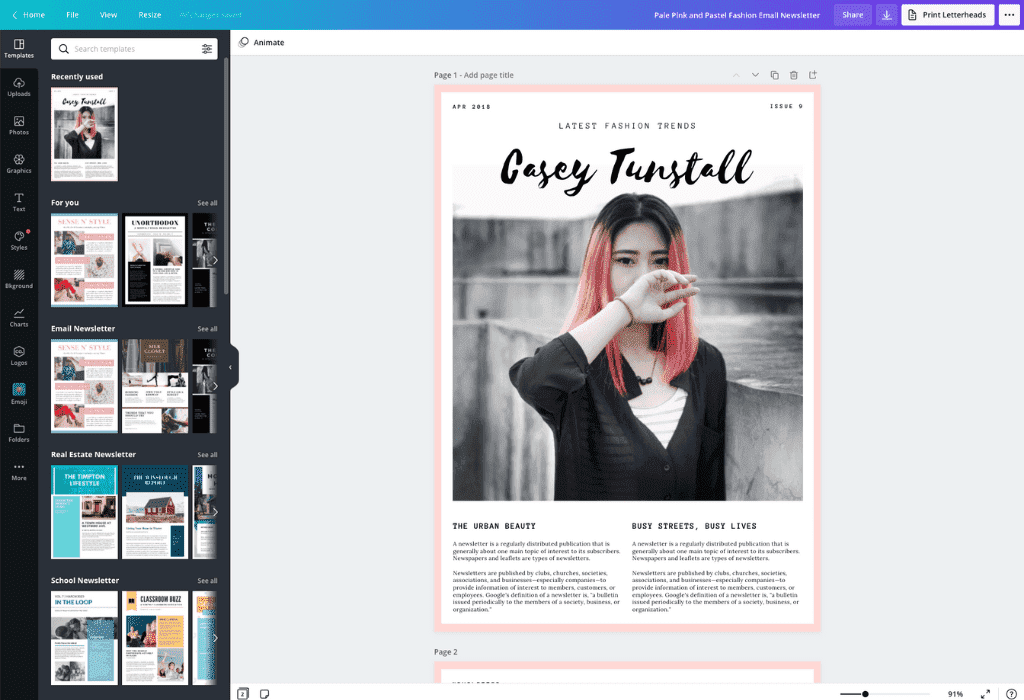
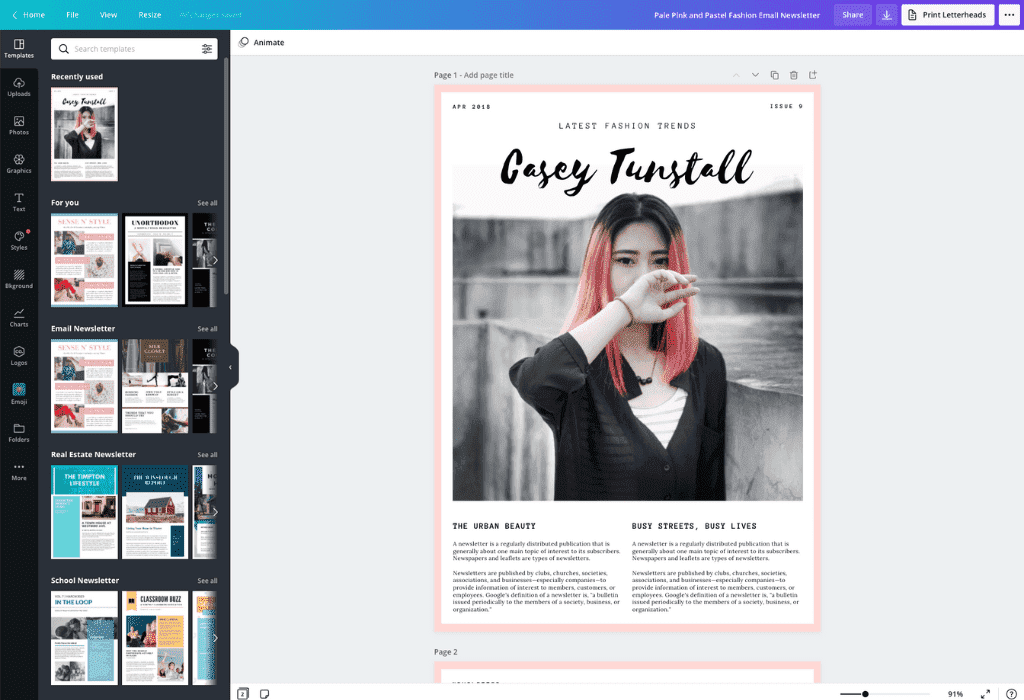
Most newsletter design software uses a drag-and-drop interface, making it easy for users to create visually appealing newsletters without any graphic design experience.
Templates
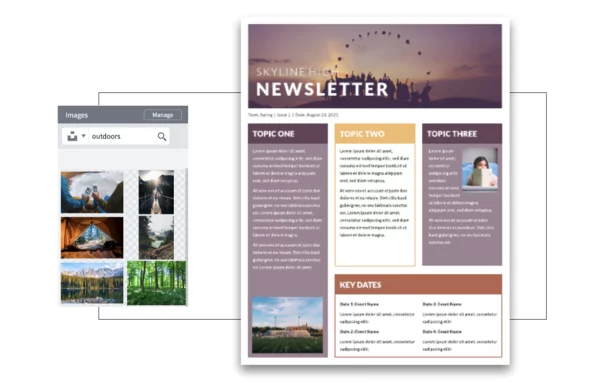
Many software platforms offer a variety of templates, which can be customized to fit the brand and message of the newsletter.
Responsive Design
With the increasing use of mobile devices, responsive design is crucial. Newsletter design software ensures that newsletters look great on any device, whether it’s a smartphone, tablet, or desktop computer.
Analytics
Analytics tools allow users to track the performance of their newsletters, including open rates, click-through rates, and conversion rates. This data can be used to optimize future newsletters and improve overall communication strategies.
Case Studies: The Success of Newsletter Design Software
Several case studies have demonstrated the success of newsletter design software. For example, a study by GetResponse found that businesses that use their newsletter design software saw a 22% increase in email marketing revenue. Similarly, a case study by Constant Contact showed that a small business that used their software saw a 50% increase in email open rates.
The Future of Newsletter Design Software
The future of newsletter design software looks promising. As technology continues to evolve, we can expect to see even more advanced features and tools that will make it easier for users to create and manage their newsletters. Some potential future developments include:
Artificial Intelligence
AI could be used to personalize newsletters even further, by analyzing user behavior and preferences to deliver highly targeted content.
Augmented Reality
Augmented reality could be used to create immersive newsletters that engage users in new and exciting ways.
Blockchain
Blockchain technology could be used to ensure the security and authenticity of newsletters, providing users with greater confidence in the content they receive.
Conclusion
Newsletter design software has revolutionized the way we communicate, making it easier and more effective to reach and engage with audiences. Its impact on engagement, personalization, and accessibility cannot be overstated. As technology continues to evolve, we can expect to see even more innovative features and tools that will further enhance the power of newsletters. The future of newsletter design software is bright, and it will undoubtedly continue to shape the way we communicate in the digital age.
In conclusion, the importance of newsletter design software cannot be underestimated. It has transformed the way we create, distribute, and engage with digital newsletters, and its role in modern communication is undeniable. As we move forward, it will be exciting to see how newsletter design software continues to evolve and adapt to the changing landscape of digital communication.