


What Are News: A Comprehensive Analysis
Introduction
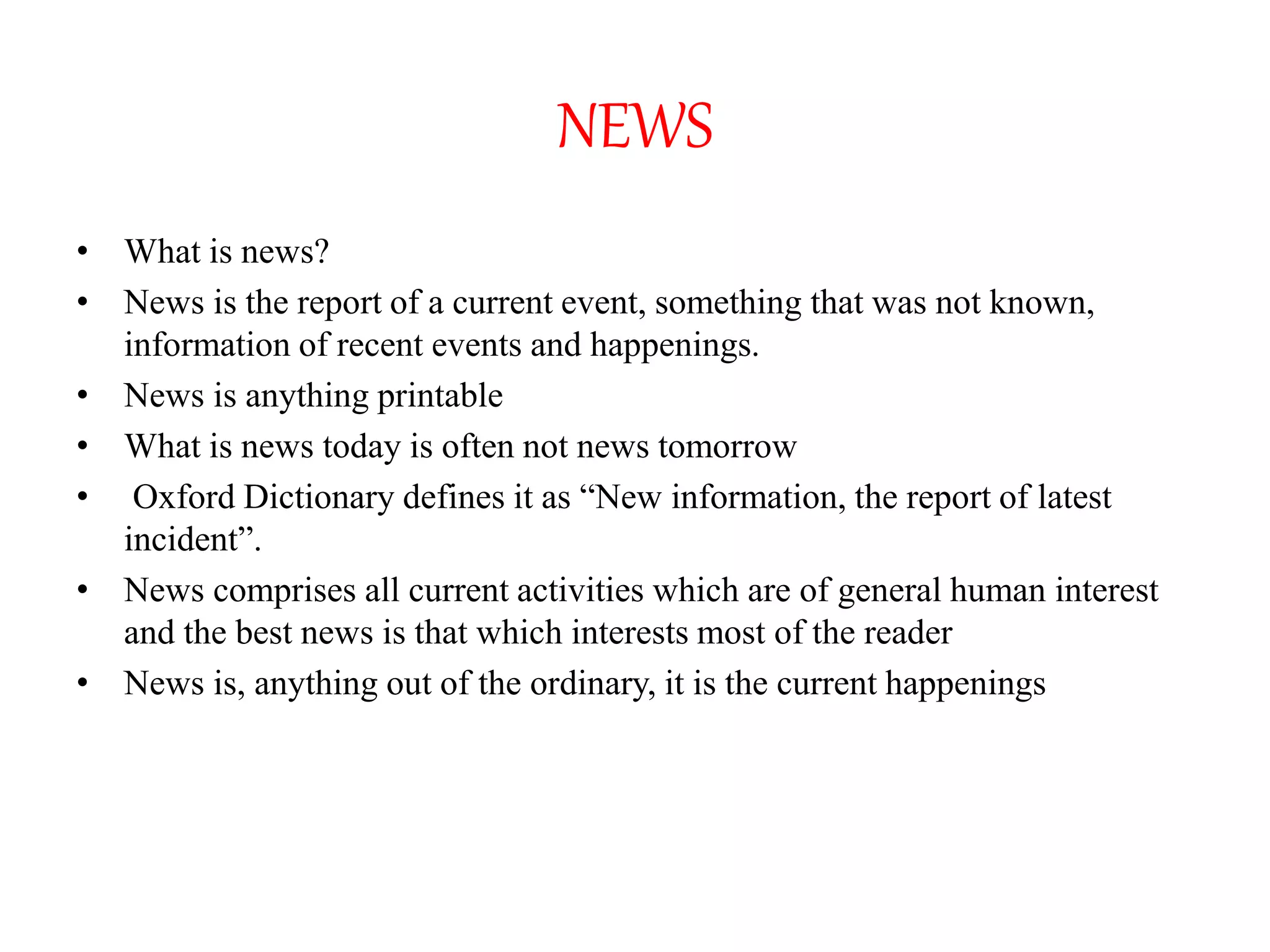
In today’s fast-paced world, the role of news has become increasingly significant. News serves as a primary source of information, shaping public opinion and influencing societal developments. However, the definition and scope of news have evolved over time, leading to various interpretations and debates. This article aims to explore what news truly is, its importance, and its impact on society. By examining different perspectives and providing evidence, we will gain a deeper understanding of the essence of news.
The Definition of News
What is News?
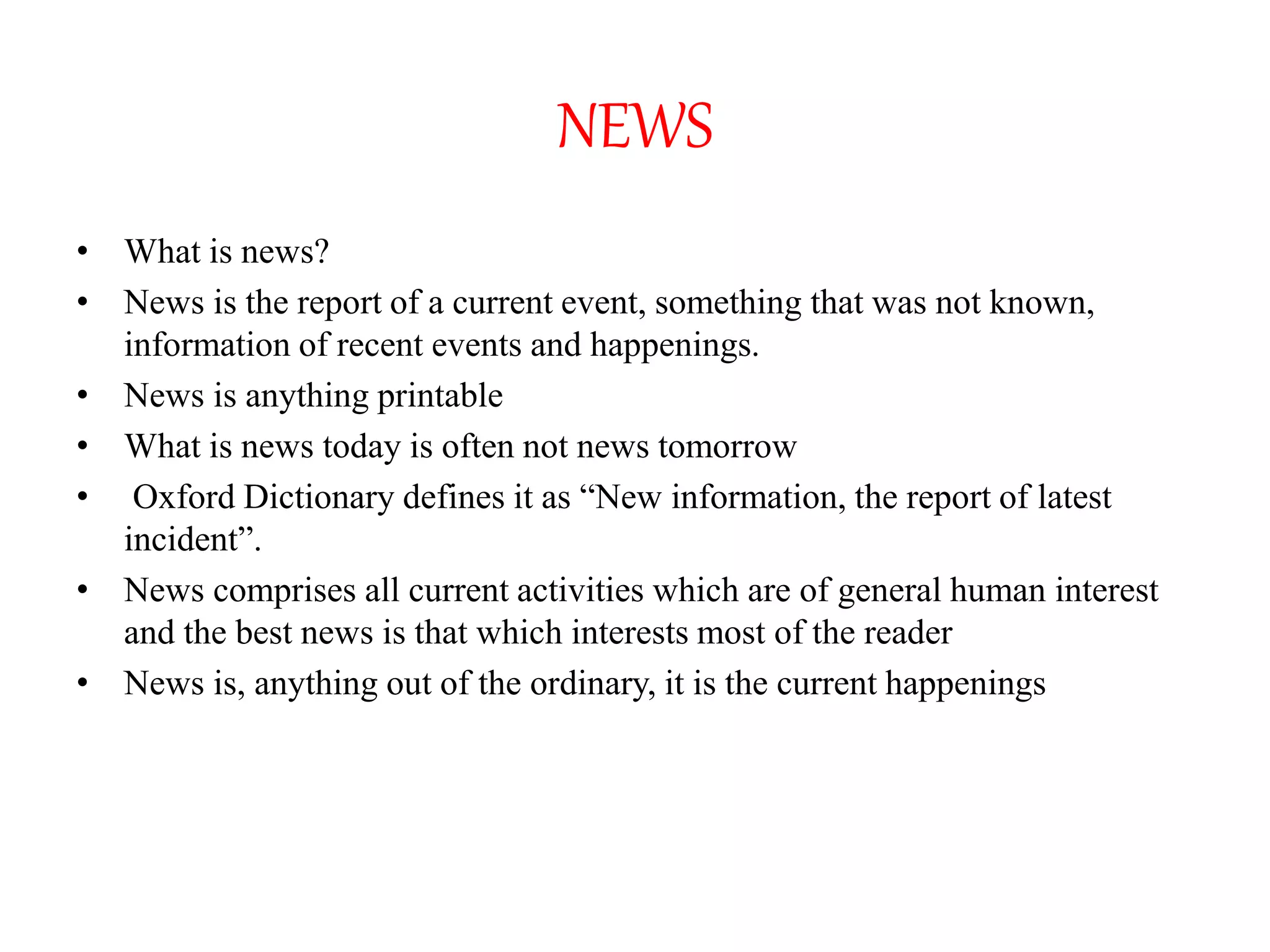
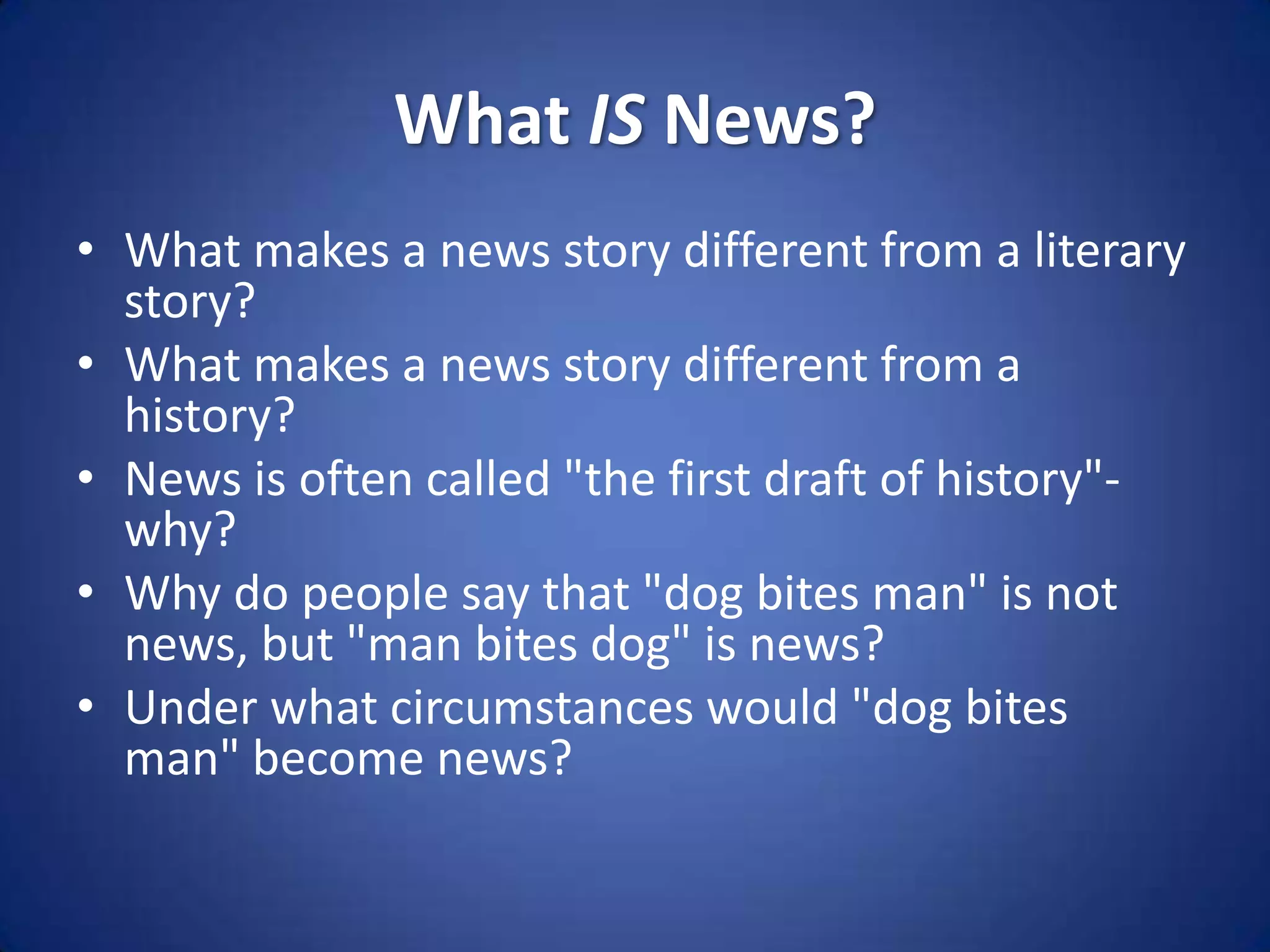
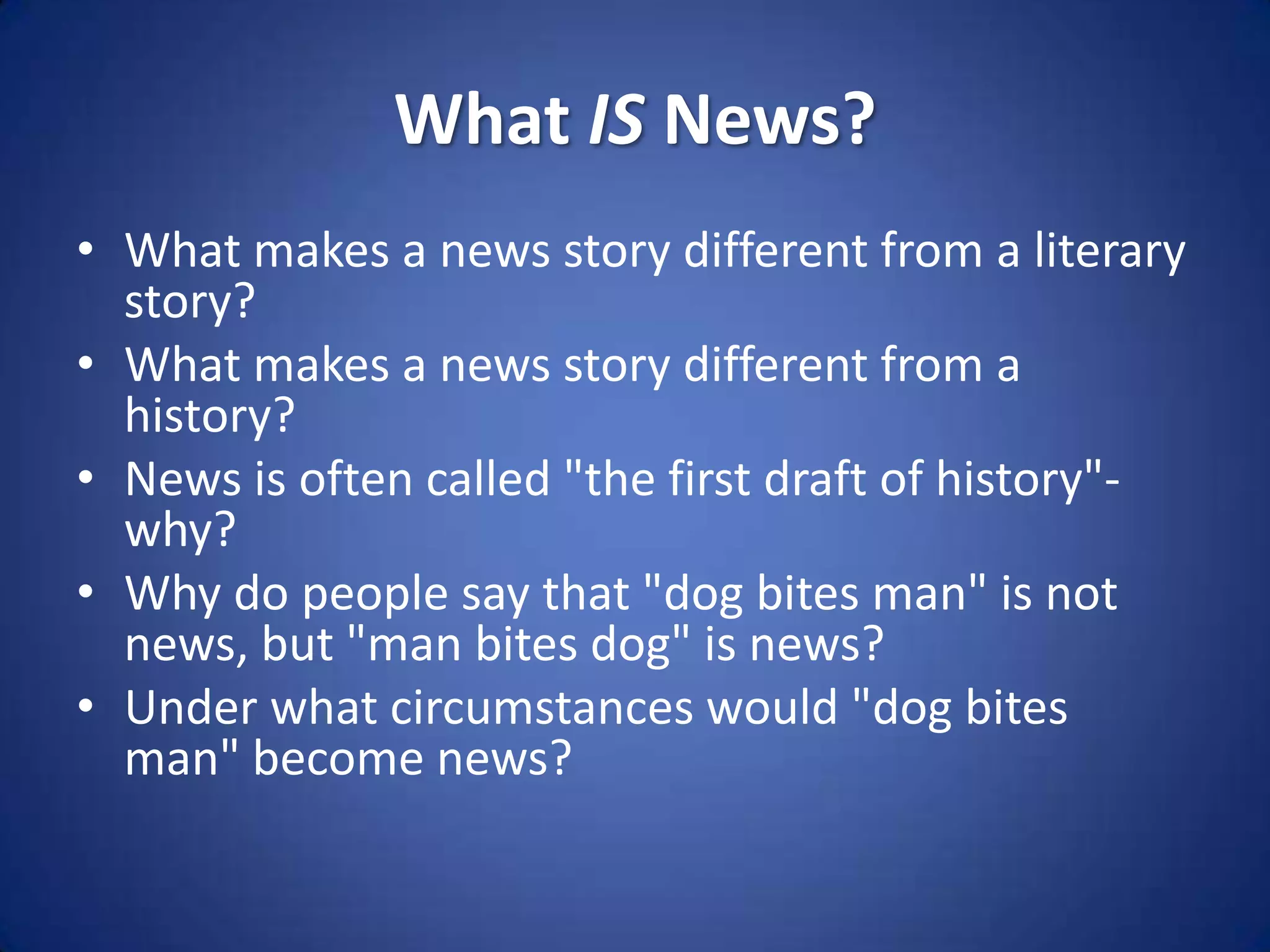
The term news refers to information that is new, significant, and relevant to the public. It encompasses various forms, including written articles, broadcasts, and online content. News can be categorized into different types, such as hard news (e.g., politics, economics, and crime) and soft news (e.g., entertainment, lifestyle, and human interest stories).
The Evolution of News
Over the years, the definition of news has undergone significant changes. In the early days, news was primarily delivered through oral communication and newspapers. With the advent of radio and television, news dissemination became more widespread and accessible. Today, the internet has revolutionized the way news is consumed, with social media platforms playing a crucial role in shaping public opinion.

The Importance of News
Informing the Public
One of the primary functions of news is to inform the public about events and developments that occur in the world. By providing timely and accurate information, news helps citizens make informed decisions and participate in democratic processes.

Shaping Public Opinion
News has the power to shape public opinion and influence societal attitudes. Through the selection and presentation of news stories, media organizations can sway public perception and promote certain ideologies or values.
Promoting Social Change
News can also serve as a catalyst for social change. By highlighting social issues and injustices, news can raise awareness and mobilize public support for various causes.
The Challenges of News
Bias and Objectivity
One of the most significant challenges faced by the news industry is the issue of bias. Media organizations often have their own perspectives and biases, which can influence the way news is reported. Maintaining objectivity in news reporting is crucial for ensuring a fair and balanced presentation of information.
Fake News and Misinformation
The rise of social media has led to an increase in fake news and misinformation. This poses a significant threat to the credibility of news and can have serious consequences for society.

Media Consolidation
Media consolidation, where a few large corporations control a significant portion of the media landscape, can lead to a lack of diversity in news sources and perspectives.
The Role of News in the Digital Age

Social Media and News Consumption
Social media platforms have become a dominant source of news consumption. While they offer convenience and accessibility, they also present challenges, such as the spread of misinformation and the echo chamber effect.
News Organizations and Innovation
In response to the changing landscape, news organizations are increasingly focusing on innovation. This includes the use of technology to enhance storytelling, such as virtual reality and augmented reality, as well as the development of new business models to sustain journalism.
Conclusion
In conclusion, what are news is a multifaceted concept that plays a crucial role in society. News serves as a source of information, shapes public opinion, and promotes social change. However, the challenges of bias, misinformation, and media consolidation necessitate a continuous effort to improve the quality and credibility of news reporting. As we navigate the digital age, it is essential to recognize the importance of news and work towards a more informed and engaged society.
Recommendations and Future Research
To address the challenges faced by the news industry, several recommendations can be made:
1. Encourage media literacy education to empower citizens to critically evaluate news sources.
2. Promote diversity in newsrooms to ensure a wide range of perspectives are represented.
3. Strengthen regulations to combat fake news and misinformation.
4. Support independent journalism through public funding and other means.
Future research should focus on the following areas:
1. The impact of social media on news consumption and public opinion.
2. The effectiveness of various strategies to combat fake news and misinformation.
3. The role of technology in enhancing news storytelling and accessibility.
By addressing these challenges and exploring new avenues, we can ensure that news continues to serve as a valuable resource for the public and a catalyst for positive societal change.



