The Intersection of Tech and Media: A Transformative Fusion
In the digital age, the intersection of technology and media has become a cornerstone of modern communication and entertainment. This fusion has not only reshaped the way we consume content but has also revolutionized the media industry itself. This article delves into the significance of tech in media, exploring its impact, challenges, and future prospects.
The Evolution of Tech in Media
The integration of technology into media has been a gradual process, with each innovation building upon the last. From the invention of the printing press to the advent of the internet, technology has always played a pivotal role in the dissemination of information and entertainment.
Printing Press: The Birth of Mass Media
The printing press, developed by Johannes Gutenberg in the 15th century, marked a significant turning point in the history of media. It allowed for the mass production of books and newspapers, making information more accessible to the general public. This technology laid the foundation for modern media, as it enabled the creation of a diverse range of publications.
Telecommunications: The Rise of Global Media
The development of telecommunications in the 19th and 20th centuries further expanded the reach of media. The telegraph, telephone, and radio allowed for real-time communication and the transmission of news and entertainment across vast distances. This era saw the emergence of global media networks, such as the BBC and CNN, which have become household names.
The Internet: The Digital Media Revolution
The internet has been the most transformative technology in the history of media. It has democratized content creation and consumption, allowing anyone with an internet connection to publish and access information. Social media platforms, online streaming services, and content management systems have become integral to the media landscape.
The Impact of Tech in Media
The integration of technology into media has had a profound impact on various aspects of the industry, including content creation, distribution, and consumption.
Content Creation: The Power of Digital Tools
Digital tools have revolutionized content creation, making it more accessible and efficient. Video editing software, graphic design programs, and content management systems have empowered individuals and small teams to produce high-quality media content. This democratization of content creation has led to a diverse range of voices and perspectives being heard.
Distribution: The Rise of Digital Platforms
Digital platforms have changed the way content is distributed. Traditional media outlets, such as newspapers and television networks, now compete with online platforms like YouTube and Netflix. This competition has led to a more diverse and innovative media landscape, as companies strive to engage audiences in new ways.
Consumption: Personalized and On-Demand
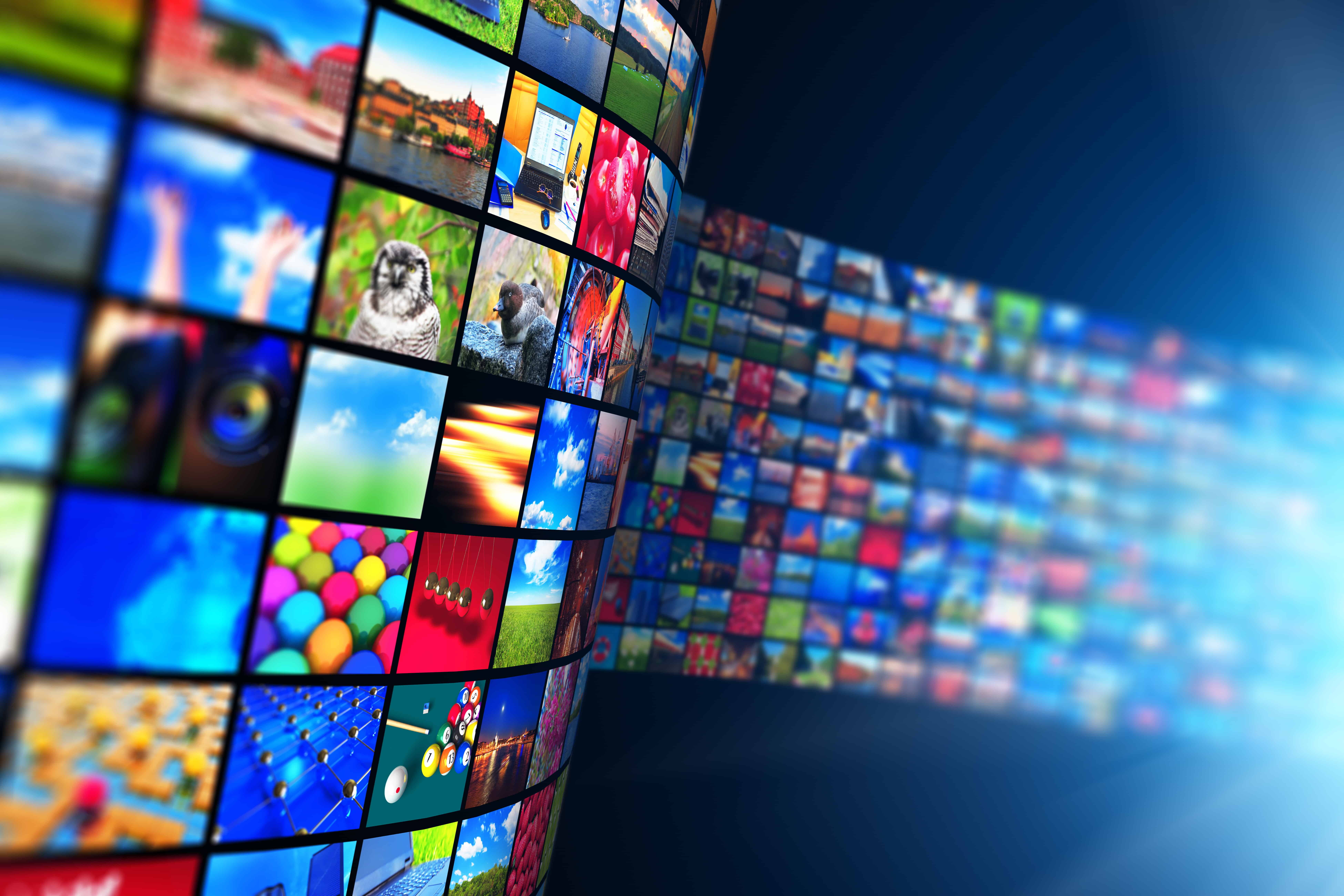
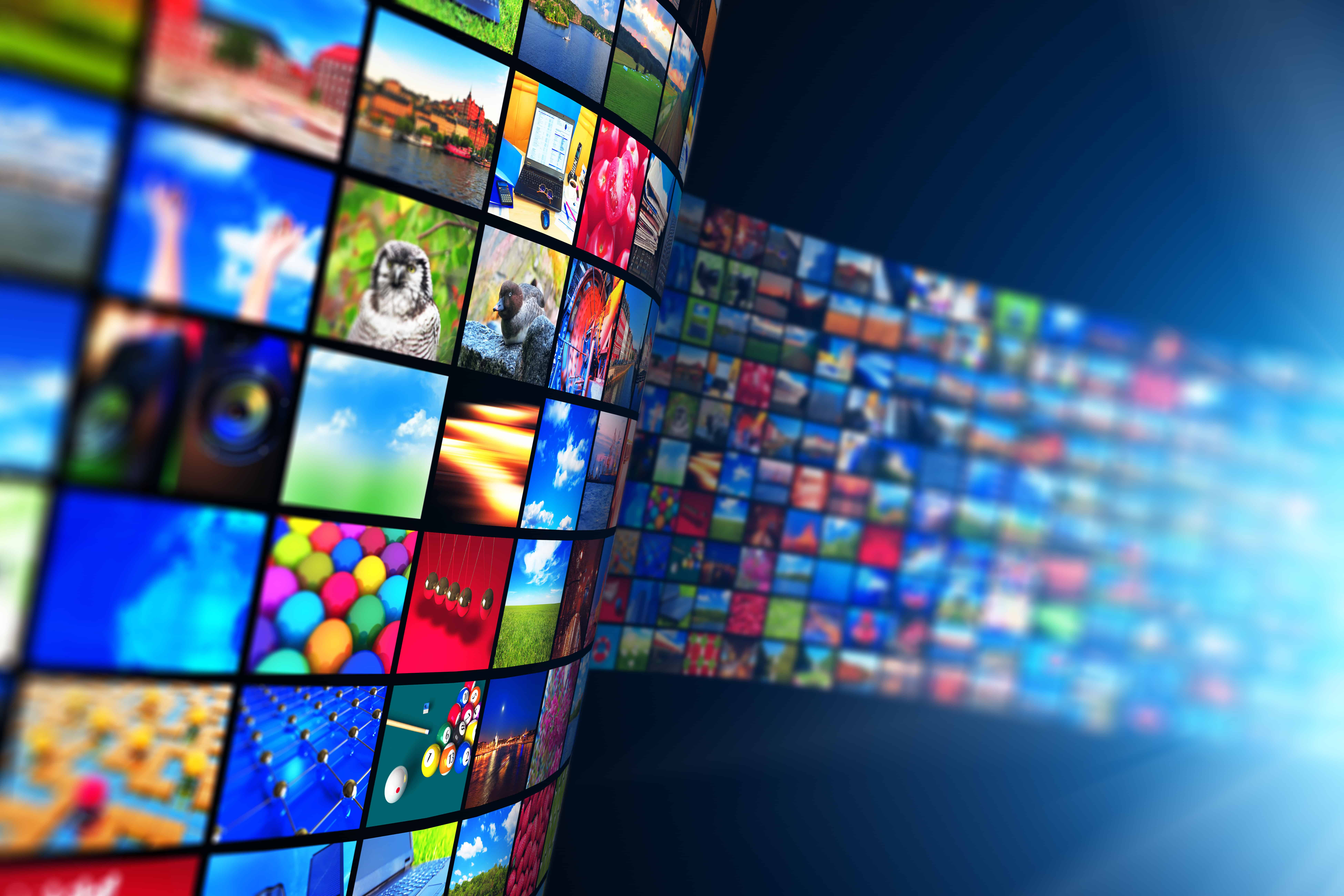
The rise of digital media has also changed the way we consume content. Personalized recommendations, on-demand streaming, and interactive experiences have become the norm. This shift has given consumers more control over their media consumption, leading to a more tailored and engaging experience.
Challenges and Concerns
While the integration of technology in media has brought numerous benefits, it also presents challenges and concerns.
Privacy and Data Security
The collection and use of personal data by media companies have raised privacy and data security concerns. Users are increasingly aware of the potential risks associated with sharing their personal information, and there is a growing demand for transparency and accountability from media organizations.
Disinformation and Misinformation
The ease of sharing information online has also led to the spread of disinformation and misinformation. The rapid dissemination of false or misleading content can have serious consequences, including political polarization and social unrest.
Job Displacement and Industry Transformation
The automation of certain tasks in media has led to job displacement and industry transformation. While digital tools have created new job opportunities, they have also eliminated traditional roles, such as print journalists and film editors. This shift requires the industry to adapt and invest in training and development for its workforce.
The Future of Tech in Media
The future of tech in media is likely to be characterized by continued innovation and adaptation.
Augmented Reality and Virtual Reality
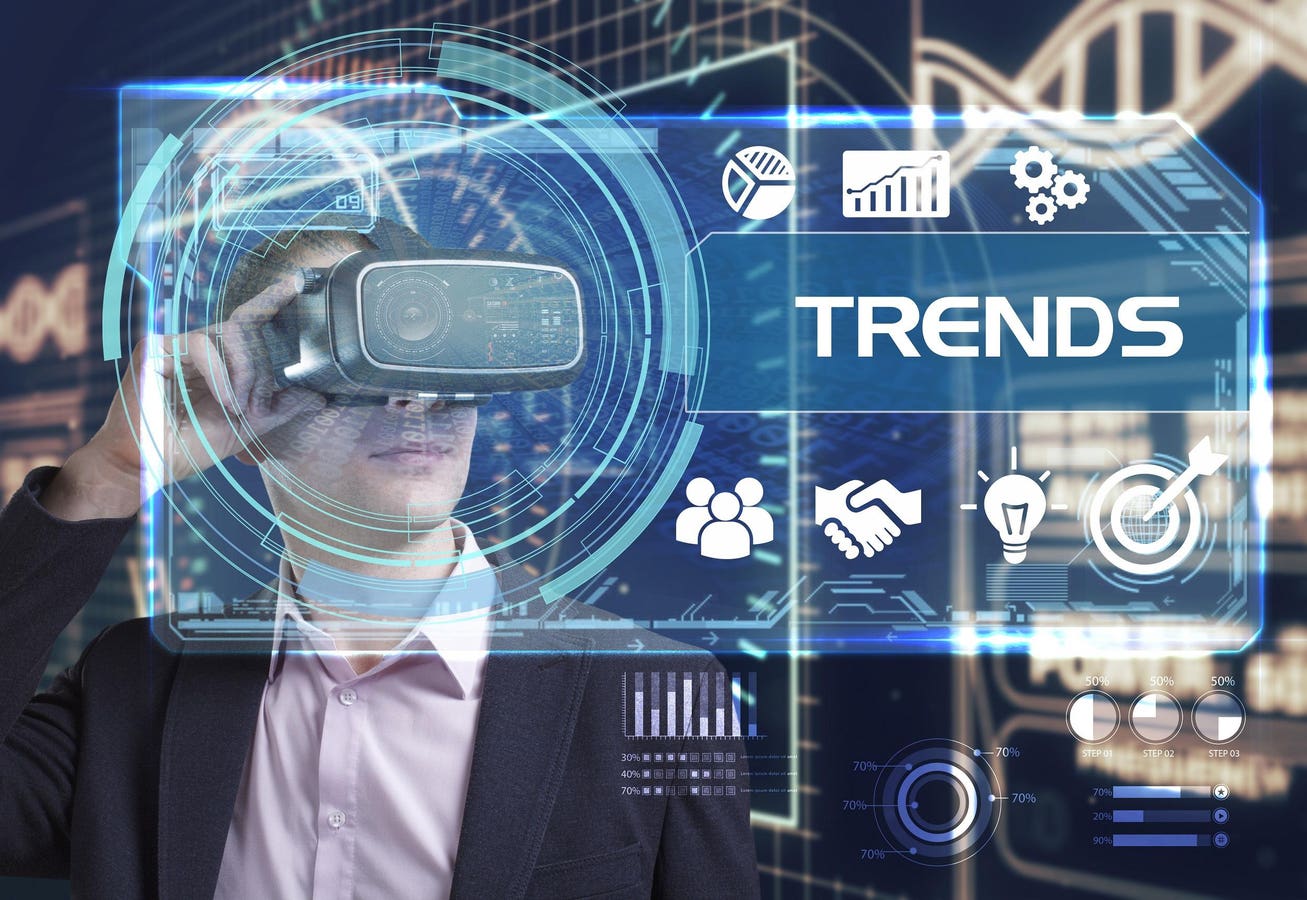
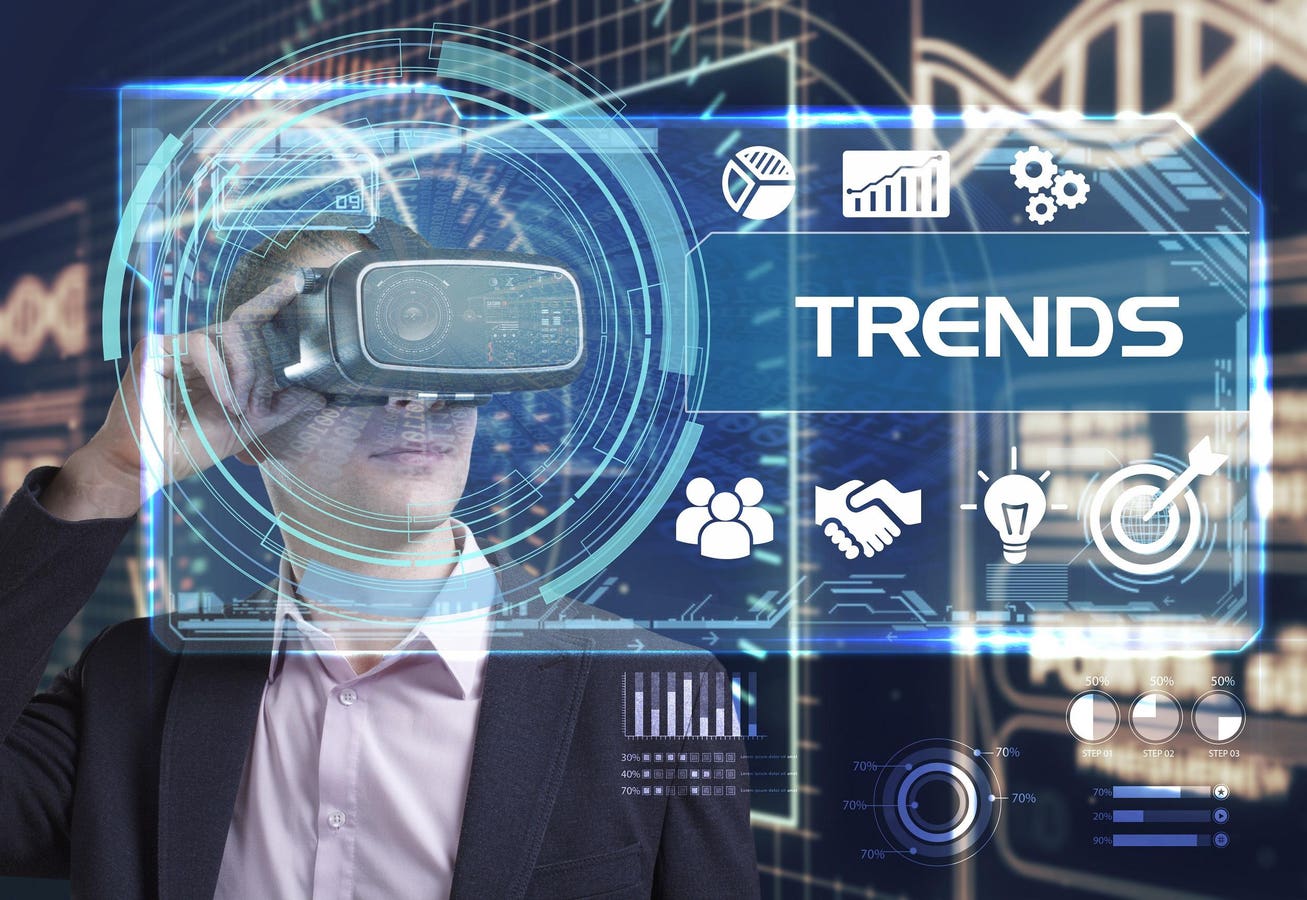
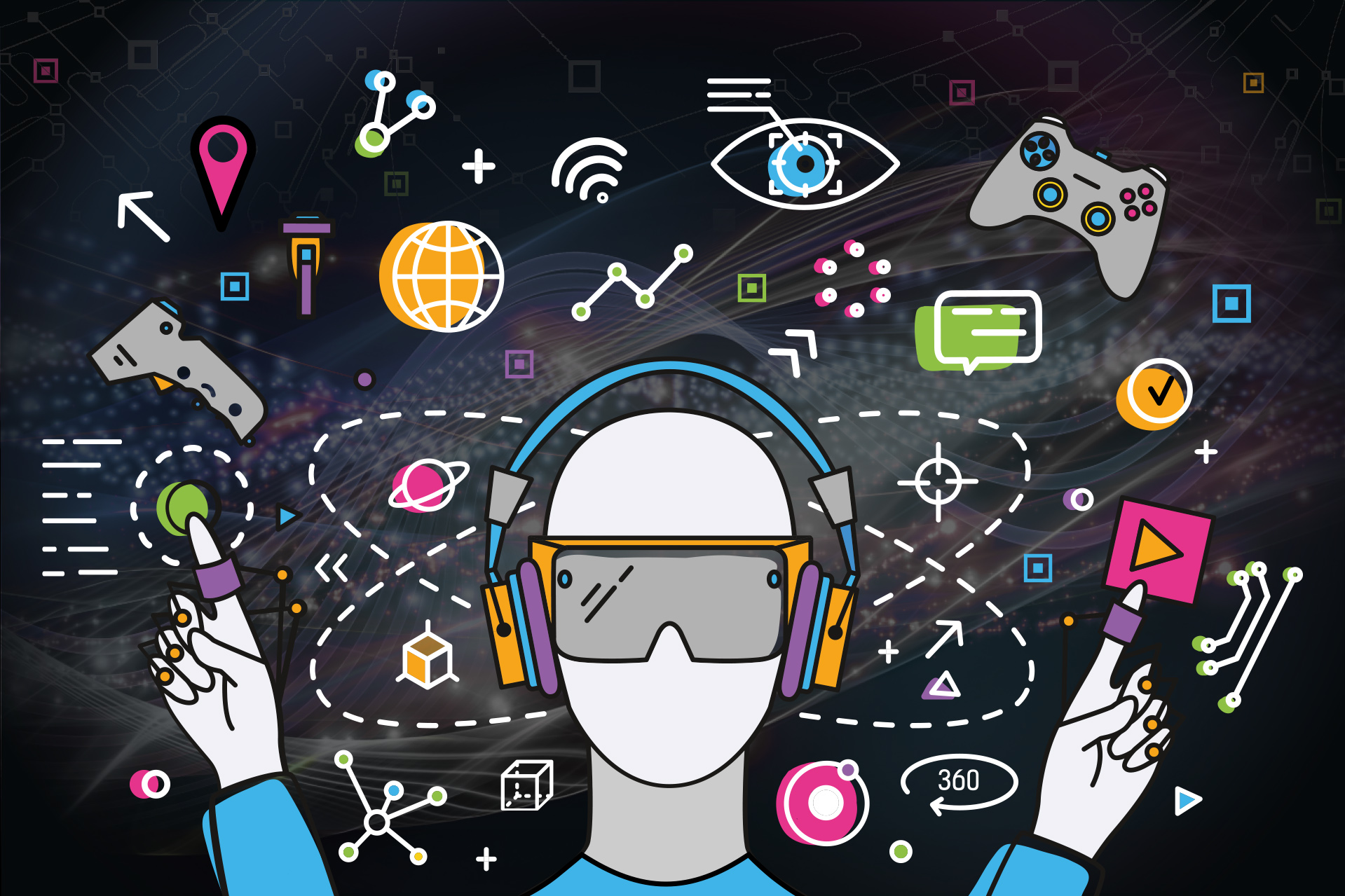
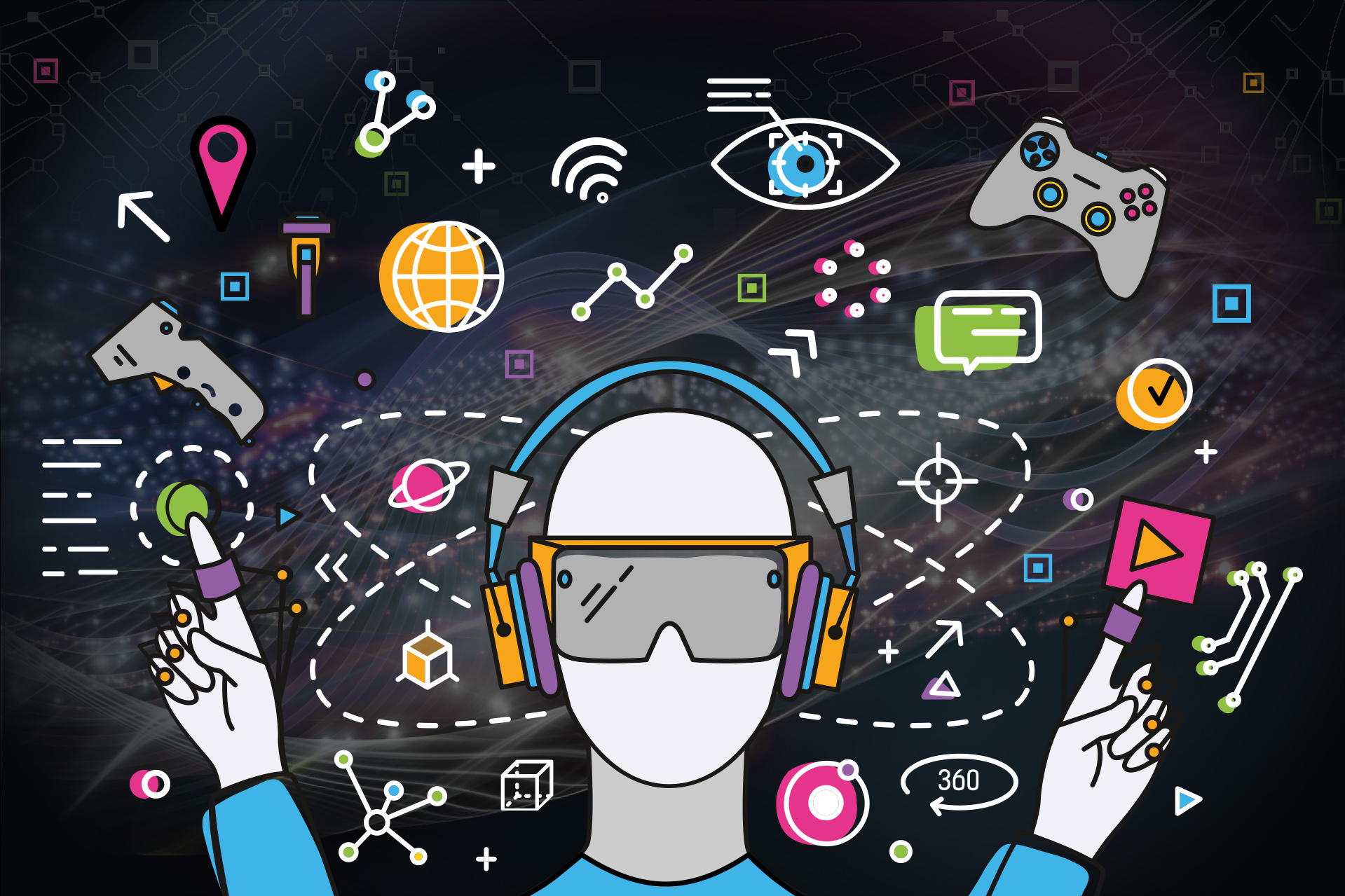
Augmented Reality (AR) and Virtual Reality (VR) are poised to become significant players in the media landscape. These technologies offer immersive experiences that can revolutionize storytelling and content consumption.
Artificial Intelligence and Machine Learning
Artificial Intelligence (AI) and Machine Learning (ML) will continue to shape the media industry. These technologies can be used to personalize content, improve content creation, and enhance the user experience.
Blockchain and Decentralization
Blockchain technology has the potential to decentralize content distribution and monetization, giving creators more control over their work and reducing the influence of centralized platforms.
Conclusion
The intersection of technology and media has been a transformative force, reshaping the way we consume and create content. While challenges and concerns exist, the future of tech in media looks promising, with opportunities for innovation and growth. As the industry continues to evolve, it is crucial for stakeholders to address the challenges and embrace the opportunities presented by technology.
In conclusion, the integration of technology in media has been a pivotal factor in the industry’s development. It has not only changed the way we consume content but has also opened new avenues for creativity and innovation. As we move forward, it is essential for the media industry to adapt to the changing landscape, ensuring that technology continues to serve as a catalyst for positive change.